
Fueling Fitness:

A Strategic Guide to Diet and Workouts During Fasting
I. Introduction: The Science and Appeal of Fasting
A. Intermittent fasting (IF) has gone from being a small wellness trend to a popular way of eating that helps people manage their weight, improve their health, and make their daily meals simpler.
Intermittent fasting means having times when you eat and times when you don’t eat on purpose.
Different fasting methods exist, like the 16/8 method and the 5:2 method.
However, the main question is: how can we keep our energy up and improve our fitness while not eating?
This fueling fitness guide explains the science behind fasting, gives simple diet tips for when you can eat, and offers advice on how to get the most out of your workouts while fasting.
B. I became acquainted with intermittent fasting about five years ago. I accidentally read various articles describing its benefits and the ways you could start applying it.
Today, I am sixty years old, without any health issues. I have to admit that not all fasts are suitable for every person.
Despite the predicted popular window of this particular fasting 16:8, the challenge lies not only in the faithful application of the time prescribed by fasting, but the quality of the things consumed within this window of food.
Therefore, if in this window you continue to consume unhealthy snacks and drink various soft drinks, I don’t think you will be able to achieve the desired results.
I know that being Greek and having grown up on a Mediterranean diet does not mean that everyone’s eating habits, even with a Mediterranean diet, are necessarily correct.
Many overweight Greeks strive to reduce their weight through various fasting methods. Some may have succeeded, but still others did not. I believe that the main reason, apart from health issues, is not fasting but a disciplined mind.
Being a dad with three wonderful boys and consuming the leftover food, it was not at all difficult to gain about twenty kilos.
C. A recent study in Greece showed an astonishing 62% of the Greek population is overweight.
Fasting, using the popular window of 16:8, becomes handy and fulfills its purposes. In my eating window of 8 hours, I integrated my daily workout as a must for my wellness and fitness.
Gymnastics has always been a passion of mine since my early stages, which I have never abandoned, and it has served me well for all these years.
My program gradually shifted from 8 hours of eating to 24 hours of fasting, as my mind and body adapted to the prolonged fasting period. I have been following that fasting pattern, which entails a 21-hour fast, for the last two years.
After my fasting period, I will spend the next three hours working out for at least an hour, unwinding, and eating a meal that is high in protein and other nutrients that will aid in my body’s recovery.
After every workout, I have to properly replenish my glycogen levels, which makes me feel really hungry.
In five months, those twenty kilos had vanished. I feel great, my clothes fit me perfectly, and my body fits me well.
This fueling fitness guide combines scientific research and practical insight to show how proper nutrition, hydration, and training strategies can make fasting both healthy and effective.
II. Understanding the Fasted State and Metabolism
When you fast, your body goes through an important change in how it uses energy. After about 8 to 12 hours without eating, your body runs out of its quick energy sources (glycogen) and starts to use fat for energy instead. This process is called ketosis. The main aim of fasting is usually to help burn more fat.
In this fitness and nutrition article, we will explore:
– The Main Change: This shift means that insulin levels go down while levels of human growth hormone (HGH) and norepinephrine (a stress hormone) go up. This can help keep muscles strong and use fat for energy.
– The Benefit: People who support fasting believe it can improve how well the body uses insulin, which is important for good health and keeping a healthy weight.
Clinical research confirms that intermittent fasting can reduce insulin resistance and increase human growth hormone levels, even without major weight loss (Horne et al.).
Understanding how fasting affects metabolism helps us design a diet that supports those physiological changes.
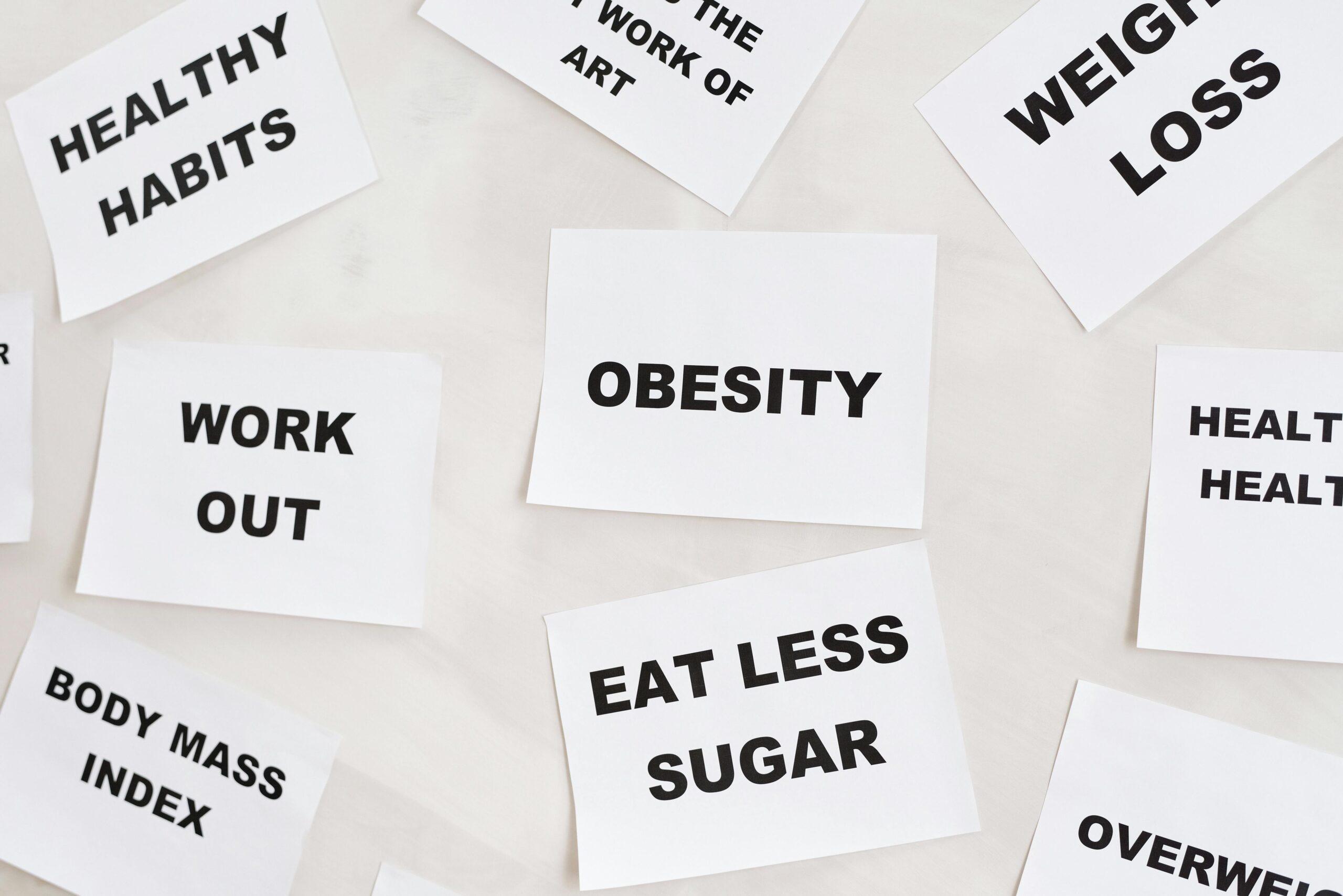
III. Strategic Nutrition for the Eating Window
The efficacy of intermittent dieting for fueling fitness is not in the time you eat but rather quite significantly in what you eat after you’ve finished fasting.
You must eat during your consumption time in order to replenish your power, replenish your muscles, and ready yourself for the next time you fast.
A. Paying Attention to Macronutrient Input
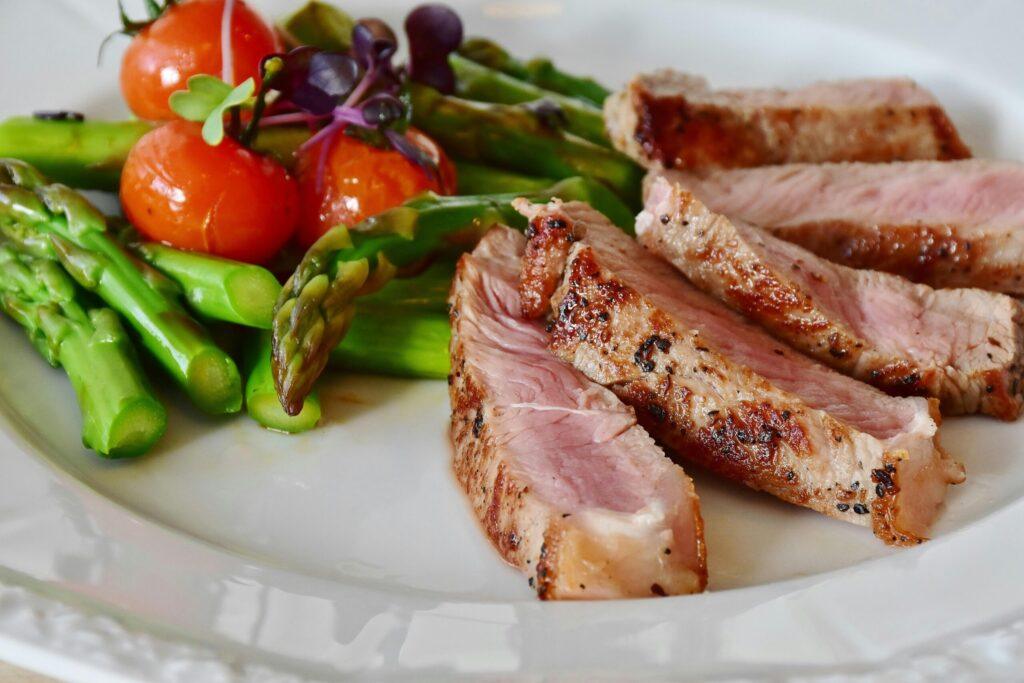
Protein is essential: When you’re exercising, you must ensure you receive adequate protein. Protein contains the building blocks known as amino acids that must be used to develop muscle. Specialists advise intake between 4 and 2.0 grams of protein for each kilogram of body weight each day to maintain and develop muscle, particularly during caloric diets or intermittent dieting (Jäger et al.). You must also consume a healthy serving of protein shortly after you’ve exercised in order to facilitate muscle protein remodeling, which may be hindered if protein is consumed too late in the game or in short supply (Williamson and Moore).
– Lean meats, fish, eggs, milk products, and better vegetarian sources such as beans and tofu fit into this category.
Good Carbohydrates: Although fat is used as fuel during fasting, complex carbohydrates are still necessary to replenish glycogen (energy) stores during high-intensity training. Choose nutrient-rich foods.
-Essentials: Unprocessed grains like brown rice, quinoa, and oats, and fruit and starchy vegetables like sweet potatoes.Have carbohydrates at the time you exercise.
Healthy Fats: Fats are called for the purposes of making hormones, for feeling full, and for being energized for hours on end. They must be the bulk of the calories consumed that do not come in the form of protein.
– They consist of avocado, nuts, seeds, olive oil, and fatty fish such as salmon.
B. Hydration and Micronutrients
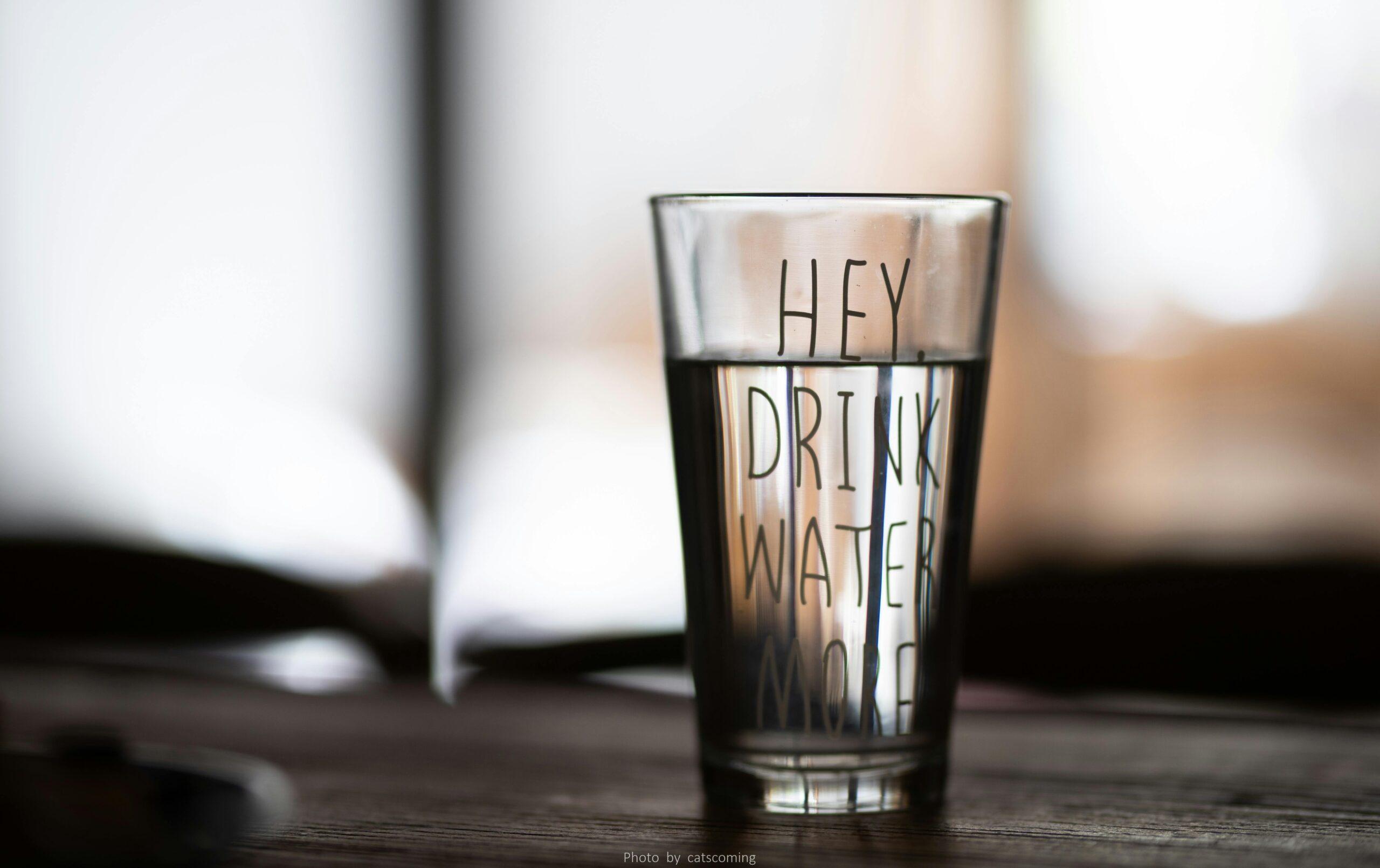
Getting Hydration is also necessary during intermittent fasting. Since you’re in the fasted state, your body is going to lose electrolytes and fluids faster because you’ve got reduced levels of insulin.
Electrolytes count too. During fasting, once your levels of insulin decrease, your kidneys shed more sodium and water.
To remain in balance, drinking much water and taking a little bit of salt or having an electrolyte drink that doesn’t interfere with your fast is beneficial.
This replenishes sodium, potassium, and magnesium — minerals necessary for your energy, for your hydration, and for your muscles (Berg).
Since you’re not getting fluids from food while fasting, it’s important to drink water regularly throughout the day.
Aim for at least 2 to 3 liters daily, adjusting based on your activity level and climate.
Dehydration can lead to fatigue, headaches, and muscle cramps — all of which can make fasting harder to sustain (Kubala).
Within your eating period, consume nutrient-rich foods.
Because you’re having fewer meals to eat, each one must be valuable. You can eat veggies, fruit, nuts, seeds, and whole grains to get your vitamins and minerals.
Leafy greens, legumes, and fatty fish in particular are beneficial to replenish your magnesium, iron, and omega-3s.
IV. Optimizing Workouts During the Fasting Period
The timing and type of exercise you perform during fasting directly affect how your body uses energy and builds muscle.
The choice of whether to work out fasted or fed is extremely subjective and is based on your objectives, the type of fast you do, and the intensity of your workout.
A. Fasting State (Low to Moderate Intensity Exercise) Exercise
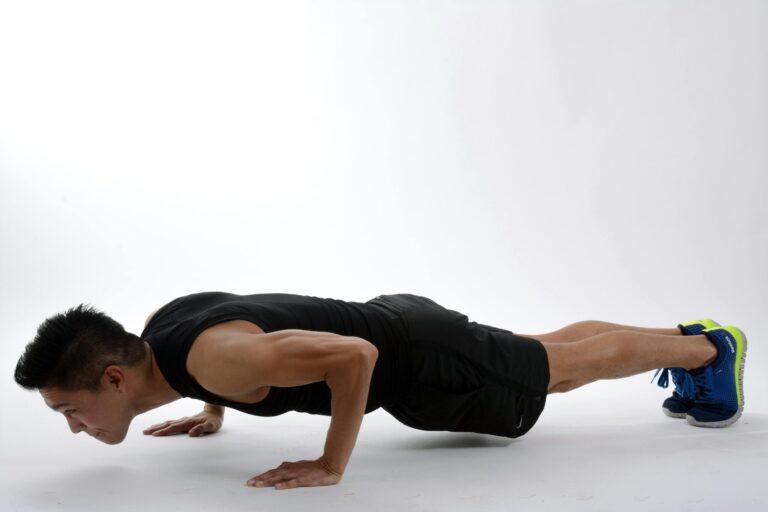
For something like light cardio, walking, yoga, or movement work, training in an entirely fasted state (typically 12+ hours since the last meal) is oftentimes well-tolerated and potentially accesses the highest fat-burning potential.
The Advantage: Because insulin levels are low, your body has easier access to stored body fat for fuel. This type of training is highly sustainable.
Best Practices: Make the intensity low to moderate. Drink plenty of water. If you become dizzy or overly tired, stop at once.
B. High-intensity interval training (HIIT)
High-intensity interval training and heavy resistance training both depend greatly on the stores of glycogen for power and endurance.
Training at maximal intensity with full fastedness can cause diminished performance, premature fatigue, and possibly muscle loss.
Research suggests that intermittent fasting may limit muscle protein remodeling unless protein intake is timed strategically around training (Williamson and Moore).
The Recommendation: The optimal time is to perform such workouts in the second half of your fast, close to the time you eat, or just into the fed state. This makes it easier to consume protein and carbohydrates to support recovery and muscle repair (Jäger et al.).
Pre-Work Considerations (Compatible with Fasting): Even though real calories consumed during fasting break the fasted condition, some lifters do take BCAAs (Branched-Chain Amino Acids) or caffeine before a fasted lift in hopes of boosting energy and preventing muscle breakdown, which is questionable.

V. Common Challenges and Practical Solutions
Intermittent fasting paired with exercise can be incredibly effective—but it’s not without its hurdles.
Here are six common challenges people face during fasting and workouts, along with practical, science-backed solutions to help you stay energized, safe, and consistent.
Low Energy During Fasted Workouts – How to fix: Keep intensity low to moderate when training fully fasted. For high-intensity sessions, schedule workouts near the end of your fast or just after breaking it (Williamson and Moore; Jäger et al.). Some athletes use caffeine or BCAAs pre-workout, though their effectiveness in a fasted state is debated.
Meal Timing Around Training – How to fix: Use a “train-then-eat” strategy — schedule workouts right before your first meal so you can refuel immediately with protein and carbs. This supports muscle recovery and glycogen replenishment (Williamson and Moore; Jäger et al.).
Dehydration and Electrolyte Loss – How to fix: Drink plenty of water throughout the day. Add a pinch of salt or use a zero-calorie electrolyte mix to maintain sodium, potassium, and magnesium levels. This is especially important if you sweat during workouts (Berg).
Mental Fog or Irritability – How to fix: Stay hydrated, get quality sleep, and ensure your meals are nutrient-dense. Include omega-3s, leafy greens, and magnesium-rich foods in your eating window to support brain function and mood. Electrolyte balance also plays a key role in mental clarity (Berg).
Overtraining or Muscle Loss – How to fix: Prioritize protein timing — consume 20–40g of high-quality protein within 30–60 minutes post-workout. According to the International Society of Sports Nutrition, this helps prevent muscle breakdown and supports recovery (Jäger et al.). Williamson and Moore also caution that prolonged fasting may impair muscle remodeling unless protein intake is strategically timed.
Plateaus or Lack of Progress – How to fix: Cycle your fasting schedule (e.g., 16:8 some days, 14:10 others), adjust training volume, and track recovery. Consider adding refeed days with slightly higher carb intake to support metabolism and performance. Strategic nutrient timing remains key (Williamson and Moore).
VI. Tailoring the Plan: Goals Matter
The ideal way of dieting and training while on fasting shifts is based on your final objective:
Objective: Fat Loss: Maintain a moderate caloric deficit during the eating window. Emphasize fasted, moderate-intensity cardio.
Objective: Muscle Gain (Lean Bulking): Must be in a caloric surplus (at least maintenance). The eating window must be long enough to allow for eating enough food. Focus on doing lots of intense strength training, and have your first meal right after you finish. Schedule your first meal immediately post-workout to support muscle protein synthesis (Williamson and Moore; Jäger et al.).
Objective: Maintenance/Health: The main focus is on keeping balance and consistency. You need to eat the right amounts of macronutrients every day, no matter what your fasting plan is. Hydration and recovery are key to long-term sustainability (Berg).
VII. Conclusion: Sustaining a Lifestyle
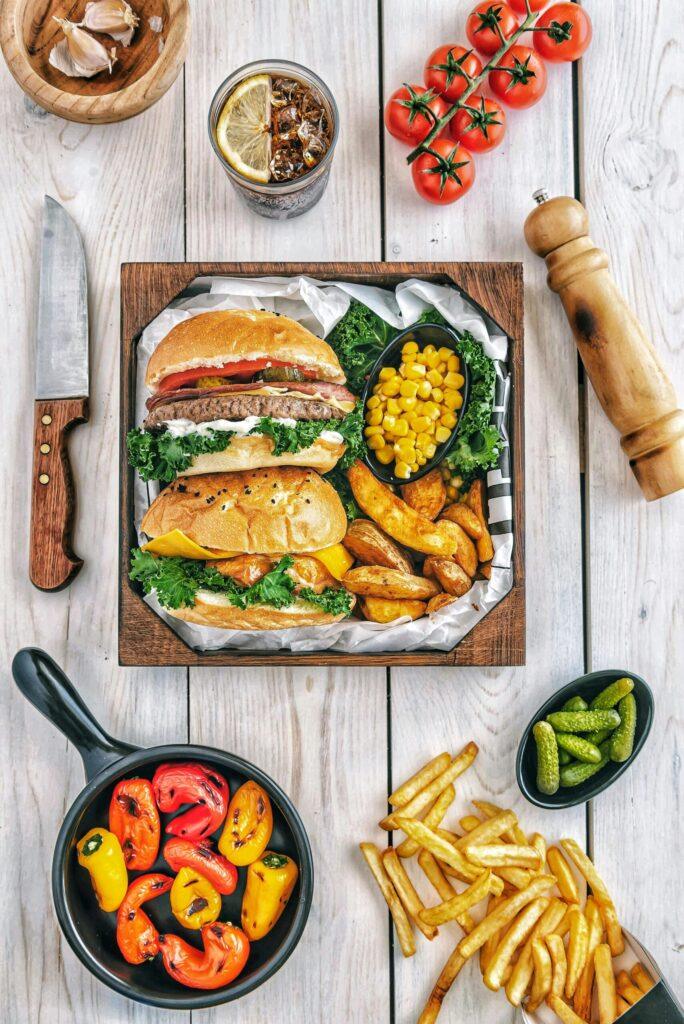
Combining a healthy diet and exercise with intermittent fasting is a good plan, but it should be well thought out and based on how your body feels.
If you eat healthy, nutritious foods when you’re allowed to eat and plan your workouts based on your energy and goals, you can make the most of fasting while still improving your fitness.
Success comes from being consistent, managing yourself well, and adjusting to changes.
Whether you want to lose fat or to gain muscle and stay healthy over time, the most important thing is to create a routine that listens to your body and adjusts as you improve.
Fasting isn’t about eating less; it’s about when and how you eat.
When combined with regular exercise and healthy eating, it creates a lifestyle that boosts both physical energy and mental focus.
References and further reading
Berg, Eric. “Electrolytes for Fasting: Benefits and Essential Tips.” Dr. Berg Health Blog, 8 Apr. 2025, https://www.drberg.com/blog/electrolytes-for-fasting. Accessed 14 Oct. 2025.
Horne, Benjamin D., et al. “Insulin Resistance Reduction, Intermittent Fasting, and Human Growth Hormone: Secondary Analysis of a Randomized Trial.” NPJ Metabolic Health and Disease, vol. 2, article no. 26, 3 Oct. 2024. doi:10.1038/s44324-024-00025-2.
Jäger, Ralf, et al. “International Society of Sports Nutrition Position Stand: Protein and Exercise.” Journal of the International Society of Sports Nutrition, vol. 14, 2017, article no.20. doi:10.1186/s12970-017-0177-8.
Kubala, Jillian. “9 Potential Intermittent Fasting Side Effects.” Healthline, updated 12 Jan. 2024, https://www.healthline.com/nutrition/intermittent-fasting-side-effects. Accessed 14 Oct. 2025.
Williamson, Eric, and Daniel R. Moore. “A Muscle-Centric Perspective on Intermittent Fasting: A Suboptimal Dietary Strategy for Supporting Muscle Protein Remodeling and Muscle Mass?” Frontiers in Nutrition, vol. 8, 2021, article no. 640621, https://www.frontiersin.org/articles/10.3389/fnut.2021.640621/full.
Disclaimer: The information shared here is based on personal experience and publicly available research and is intended for educational purposes only. It should not replace advice from a qualified healthcare professional. Please consult a certified nutritionist, physician, or other licensed expert before making dietary, exercise, or fasting-related changes, especially if you have existing health conditions. The habits discussed are examples, not prescriptions, and readers are encouraged to review the referenced sources and make informed decisions for their own health. My habits are a guide, not a rule.