
Lifestyle habits for daily wellness: A clear, non-standard guide
What feels optional at 35 becomes structural at 55
Introduction: Why Simple Lifestyle Habits Make a Difference

Well-being is often presented as something complex or disproportionately difficult, described as a system to follow, a plan to adopt, or a set of rules to obey.
The truth is, most of the benefits we experience come from simple habits that are followed consistently over a daily period of time.
These daily habits do not require special equipment, strict schedules, or dramatic lifestyle changes to implement and deliver their beneficial effects.
They require attention, patience, and a willingness to return to what sustains us.
The habits described here are not instructions that one needs to follow for their overall well-being.
They are observations—practical ways of supporting body energy and mind relaxation without exerting any pressure or perfectionism.
They describe some principles that apply to many people, but with enough space and room for individual needs, special preferences, and different circumstances.
If you want to find a starting point to incorporate these healthy lifestyle habits into your daily life, the ones described here are a clear basis.
They are not solutions that can be implemented quickly and pay off immediately.
They are practices that must be applied steadily, and they will gradually reveal to you how to achieve inner balance and endurance over time.
Respect for rest and recovery: Key Healthy Lifestyle Habits
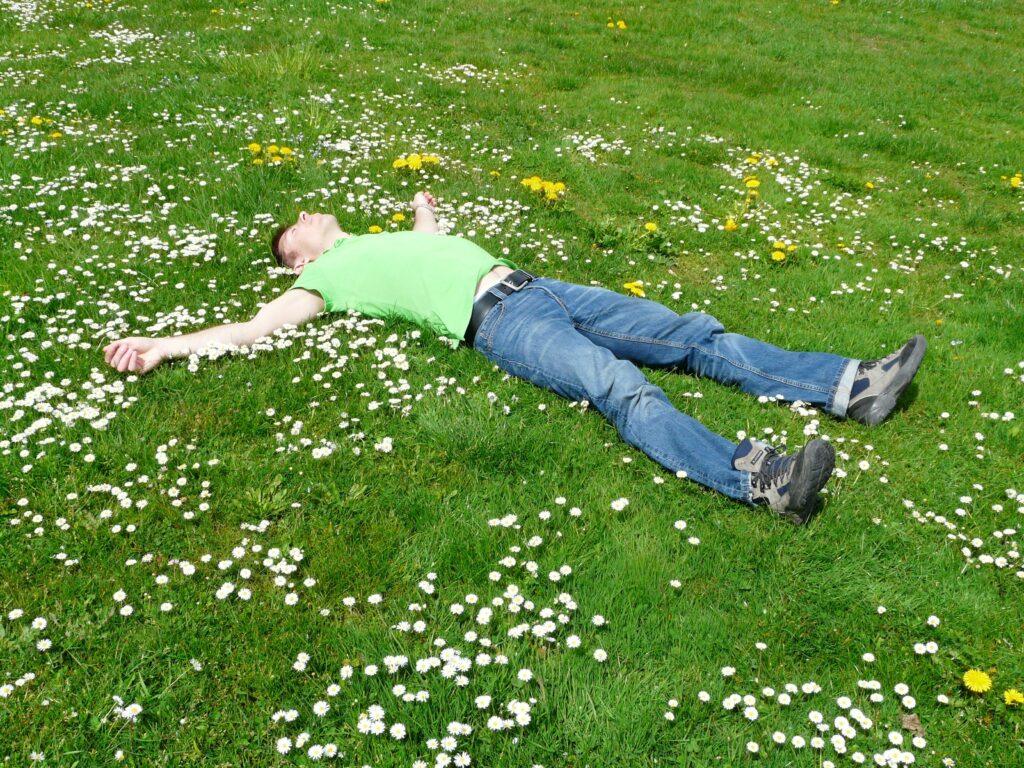
Rest is often misunderstood as inactivity or stagnation.
In fact, it is one of the most active forms of maintenance and replenishment with energy that the body needs.
From the moment we stand, gravity puts constant pressure on the spine, joints, and muscles.
Even when we are standing still, gravity determines the body’s fatigue and exhaustion.
This load accumulates and swells silently throughout the day, without us realizing its ramifications in our daily lives.
Rest—especially when the body is horizontal—practically temporarily removes that weight load that our body is experiencing.
Circulation and recovery are reset, tension is replaced by relaxation, and the nervous system comes into a state of equilibrium.
The everyday life that most of us experience in our modern lives hardly allows for this kind of recovery.
Even when we sit, stand, or move, we are not able to give the body the ability and time to recover.
Over time, this contributes to daily fatigue, inability to self-regulate, and partial or decisive dysfunction of muscles, spine, and joints.
Following a rest doctrine, it is not necessary to take long or continuous breaks.
A short and time-stable rest during the day is an extremely effective factor in re-regulating the body’s clarity, energy, and self-preservation.
Rest is a gift we give our body, allowing it to renew itself. It is an essential part of maintenance and one of the most fundamental lifestyle habits for wellness.
Eating with intention and simplicity

Nutrition is a key component of well-being when it is intentional.
Commercials and labels such as the Mediterranean diet are often used as references to good health, and yet the results depend on personal choices, not geography.
Anyone who regularly consumes ultra-processed foods, sugary beverages, or excessive alcohol will face the consequences for their health, regardless of their cultural background or geographical environment.
A simple and effective approach to food can be built around:
- Vegetables and legumes
- fish and medium portions of lean meat
- herbs, garlic, onion, and spices
- Raw olive oil added after cooking
- Meals prepared with care rather than speed
Simplicity doesn’t mean restriction or prohibition; it means choosing foods that support your health consistently—one of the most reliable healthy lifestyle habits.
Movement of the body with control and continuity: Essential Lifestyle Habits

Movement is a key factor that supports longevity when practiced intentionally.
Brief bursts of intensity may feel productive, but strength and resilience are developed through controlled, continuous effort.
Body movement should be adjusted on a case-by-case basis according to the age and level of involvement of the individual.
Time under tension allows muscles and joints to adapt gradually, reducing the risk of injury.
A simple exercise, whether it’s walking, stretching, resistance training, or bodyweight exercises, becomes effective when performed regularly and consistently.
The goal is not volume or performance; the goal is to maintain the ability to move, participate, and act confidently as the years go by.
Recovery is an essential part of movement.
A movement can be incorporated into a daily exercise routine or utilized for business purposes, without any breaks.
Decompressing, stretching, or simply pausing between attempts helps the body readjust and prevents unnecessary strain.
These practices support long-term independence and form reliable daily wellness habits.
Find the daily rhythm that will support you
A consistent daily routine quietly influences every aspect of well-being.
Waking up and going to bed at regular times, and maintaining a consistent schedule – even on weekends or holidays – helps regulate energy reserves, positive mood, and clarity.
This pace of life doesn’t have to be rigid. Life in its wake brings turbulence to everyday life as well as short interruptions.
It is of great importance to return to structure and normality once the disruption has passed.
One established healthy habit often supports many others.
Over time, a consistently accepted rhythm becomes the foundation upon which lifestyle habits naturally align.
Reduction of unnecessary load (physical and mental): Practical Lifestyle Habits
Well-being is not just about what we add to our lives but also about what we subtract.
Our well-being depends to a large extent on the balances we can keep.
The physical load accumulates through posture, tension, and gravity.
The mental load accumulates through persistent notifications, non-stop digital noise in a home or office environment, and fragmented attention due to constant mental fatigue.
Small adjustments can make a significant difference:
- Reducing unnecessary screen time
- Simplifying digital environments
- creating quiet moments during the day
- Choosing fewer, more intentional commitments
Removing a large part of the friction automatically creates space for more and substantial clarity.
This process allows the mind and body to function without constant interruption.
This is a practical and sustainable habit for long-term well-being.
How to Build Lifestyle Habits with Willpower Without Effort, Without Force
A habit is a fixed or regular trend or practice, especially one that is difficult to give up.
Habits, excellent ones, endure when you live them; you don’t impose them.
Force creates resistance, whereas consistency fosters familiarity, and as a result, familiarity shapes identity over time.
A habit becomes stable and remains as an identity when:
- Fits naturally into your day
- It doesn’t require constant motivation
- aligns with your values
- Supports you instead of limiting you
Any change in our daily lives, even a small one, doesn’t have to be dramatic.
Small, steady adjustments quietly accumulate, work, and become part of everyday life—forming sustainable lifestyle habits.
Closing Thoughts
Well-being as a long-term orientation
Prosperity is not a destination. It is an orientation—a lifestyle that values balance, clarity, and continuity.
Simple habits that are practiced consistently form the basis of this orientation.
If you want to see what these principles look like in real life, I’m sharing my personal approach to nutrition, movement, and rest here:
Disclaimer: The information shared here is based on personal experience and publicly available research and is intended for educational purposes only. It should not replace advice from a qualified healthcare professional. Please consult a certified nutritionist, physician, or other licensed expert before making dietary, exercise, or fasting-related changes, especially if you have existing health conditions. The habits discussed are examples, not prescriptions, and readers are encouraged to review the referenced sources and make informed decisions for their own health.