
Intermittent fasting

Why Diets Fail.
You are ready to start a diet, but the whole thing feels overwhelming.
Where do you even begin, and honestly, who can you trust for advice?
Before I jump into my experience with intermittent fasting, you have to get one key idea straight.
It is the most critical thing you will read today: the real point of any successful diet or fitness plan is not actually to lose weight.
Think about it. The moment you commit to a program and stick to it, what are you truly achieving?
You are not just shedding pounds; you are training your mind to be focused, disciplined, and consistent.
The weight loss? That is just the fantastic side effect of your mental commitment.
Most people fail because they confuse the means with the end.
They obsess over the scale instead of building their resolve. The primary function of any successful diet is simply to teach you how to control your habits and listen to your body’s needs.
So, why do diets fail so often? Usually, it is because that mental will—that inner discipline—has been allowed to relax.
Before you take the plunge, stop and ask yourself these three tough questions:
Am I really ready to follow the plan and crush my goal?
Do I have the willingness to make the adjustments necessary for my total health, both physical and mental?
Am I truly willing to do whatever it takes?
Your readiness to accept the necessary constraints is the only factor that dictates your success.
Why do diets fail in many cases? Frequently, because you have lost the will to discipline.
My Intermittent Fasting Journey
I became acquainted with intermittent fasting about six years ago. I accidentally read various articles describing its benefits and the ways you could start applying it.
Today, I am sixty years old, without health problems or other underlying health conditions. I have to admit that not all fasts are suitable for all people.
Despite the predicted popular window of this particular 16:8 fasting, the challenge lies not only in the faithful application of the time prescribed by fasting but also in the quality of the things consumed within this window of food.
Therefore, if in this window you continue to consume unhealthy snacks and drink various soft drinks, I don’t think you will be able to achieve the desired results.
I know that being Greek and having grown up on a Mediterranean diet does not mean that everyone’s eating habits, even with a Mediterranean diet, are necessarily correct.
Many overweight Greeks attempt to reduce their weight through various fasting methods. Some may have succeeded, but still others have not.
I believe that the main reason, apart from health issues, is not fasting but a disciplined mind.
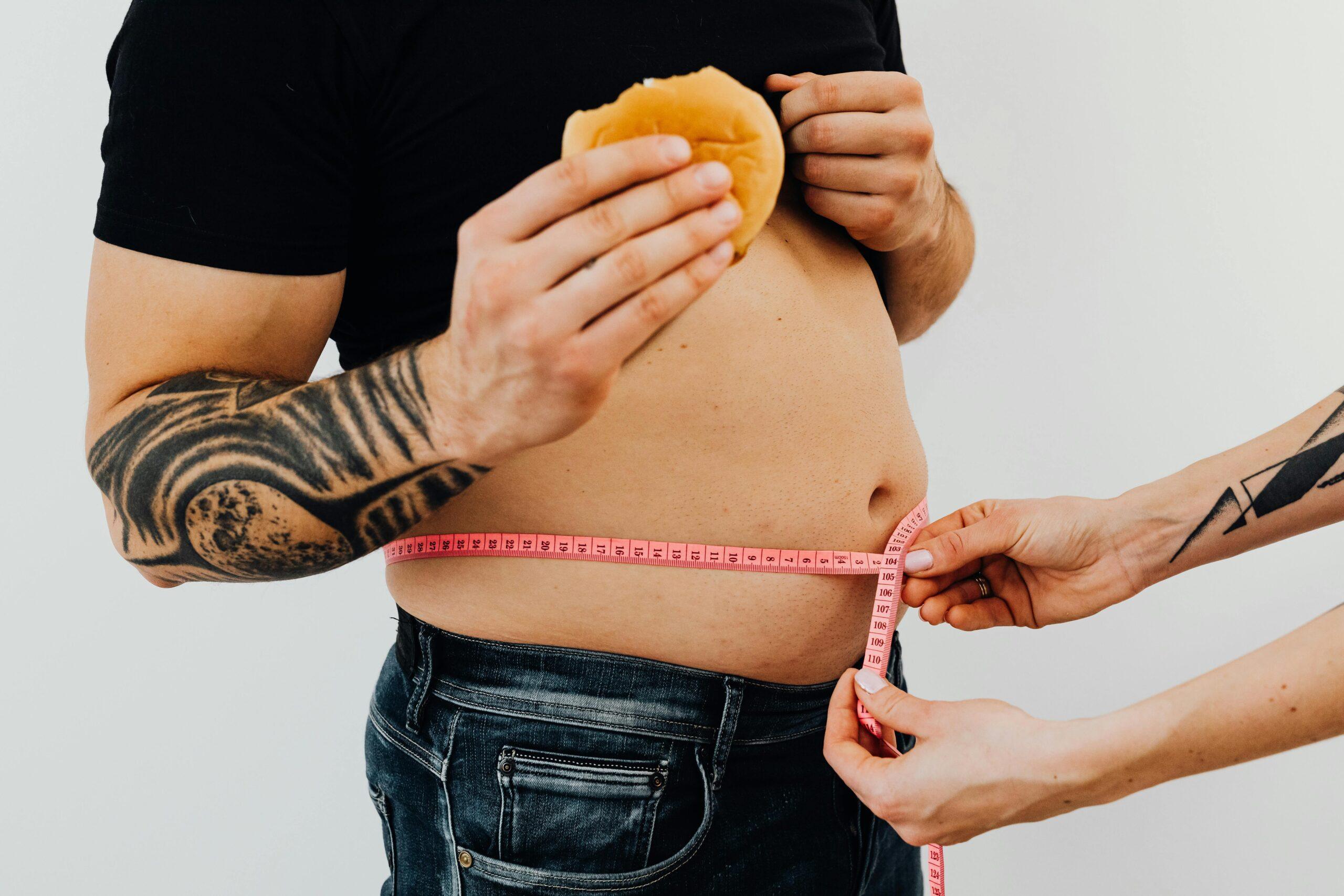
Being a dad with three wonderful boys, and consuming the leftover food, it was surprisingly easy to gain twenty kilos.
The yardstick I always use is how you feel physically, and what the clothes you wear are like. I am always avoiding the scale.
You should be aware that the scale is adding stress to you, so if you feel comfortable with the clothes you wear, you are on the right track.
Please don’t jump on the scale every Monday morning; you will feel frustration and anxiety. Give your body two weeks to adapt, and your clothes will tell.
What I have experienced
Following the popular rule of 16:8 in the first week and especially the first three days in the morning,
I felt incredibly hungry. From what I have understood, when you feel hunger, something has started to work properly in you.
To alleviate my hunger until the food window opened, I ate, in those three days, a handful of almonds or two hard-boiled eggs.
This worked well, and from the fourth day, I didn’t feel hungry at all until the food window opened.
But why did this happen? During these three days, two things were trained on me: the stomach and the mind.
I lost twenty kilos in about five months without effort or anxiety.
I felt great because I was okay with my clothes and myself. So, what became of my eating schedule?
I know that, for two years now, I have been eating once a day (24 hours fasting), and honestly, I don’t feel the need to visit the kitchen or the refrigerator at all.
What I Eat and What I Avoid
What I avoid:
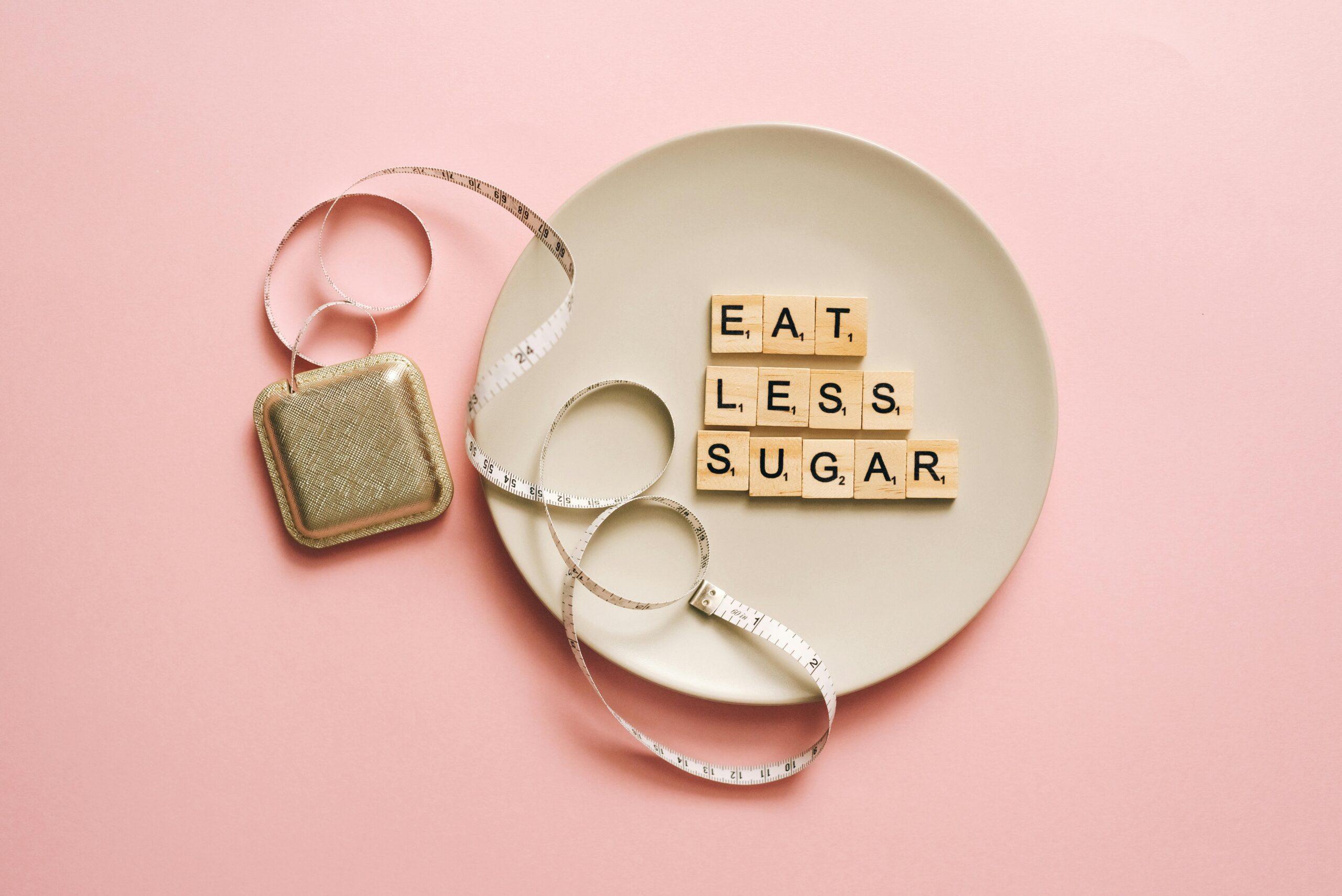
Processed, artificial sugars in any way or any form. I read the labels thoroughly, and those that list sugar or sweeteners are rejected.
Alcoholic beverages or drinks with sweeteners.
Fried foods and cooking with oil
Pasta and flour (a choice based on my personal health research and how these foods affect my hunger levels
Ready-made foods
Processed foods
What I consume:
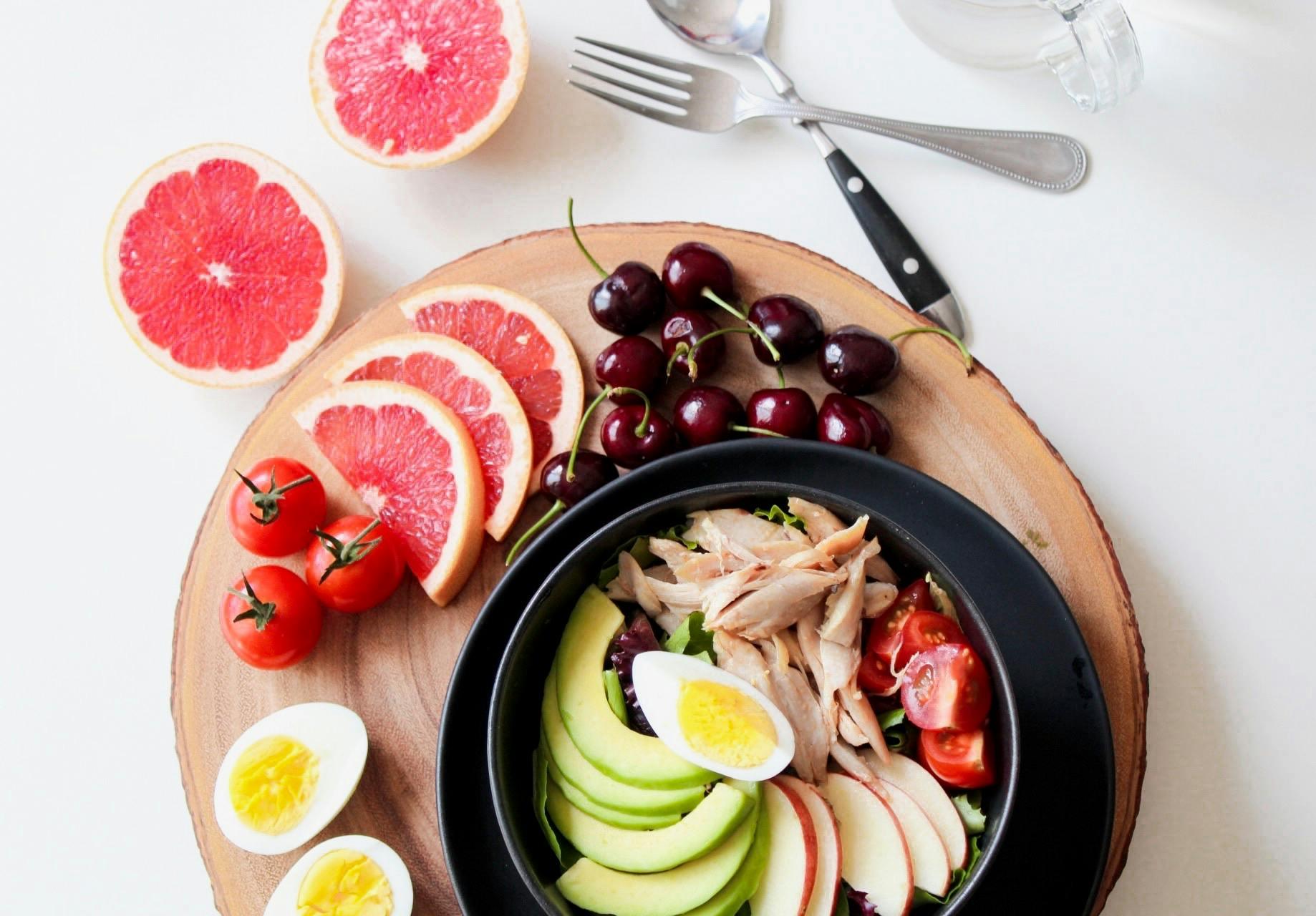
Lean Proteins (meat, fish, poultry, eggs)
Green leafy vegetables (spinach, beets, broccoli, cauliflower)
Fruits
Onions and garlic are mandatory for me as a daily intake
Legumes (lentils, beans, chickpeas)
Dairy products (especially cheese, Greek “feta”)
Ginger, Tea, or coffee, plenty of water
Nuts (almonds and walnuts preferably)
From what I have seen, it is clear that no matter which diet you choose, you should adjust your eating habits and get both your mind and body accustomed to a new way of living.
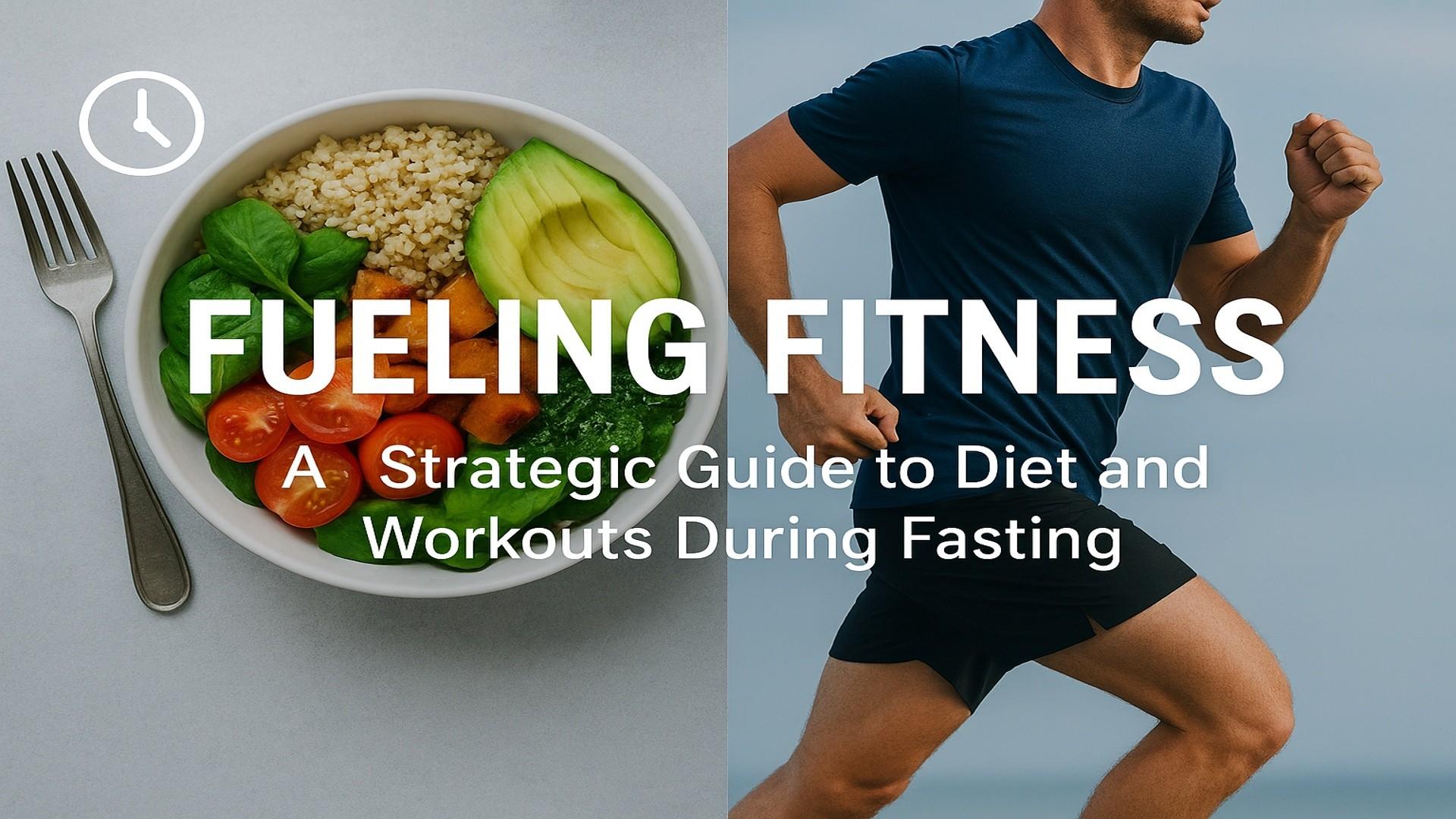
I believe that sugar is the most important part in any way. I have noticed that consuming something with a lightly sugary content increases my feeling of hunger.
If you’re curious about fasting, start with one change—cut sugar for two weeks. See how your body and mind respond and adapt.
If you manage to discipline a single ingredient, you can go further. Your journey begins with one decision.
By following these dietary choices during my fasting periods, I began noticing several health benefits, both physically and mentally.
Benefits of intermittent fasting
Weight reduction: Intermittent fasting is an established technique of weight reduction. Having a limited window for eating means fewer meals and, as a result, fewer calories intake, where this calorie shortfall contributes to weight reduction.
Lifestyle: You have a set of effective intermittent fasting methods at hand that can be incorporated into your daily life and routine. With the adoption of these methods, you are the master of your dietary habits and simplify your life.
Health benefits on our hormones and cells: During fasting, your body changes the hormone levels to use excess fat in our body for energy (Longo and Mattson). That is how you lose fat. Fasting also makes your body heal itself better.
Insulin sensitivity: Taking zero calories by fasting significantly lowers insulin levels and makes your body utilize stored fat for energy. This process accelerates the loss of fat and raises the metabolic flexibility so that your body can switch between glucose and fat without any hassle (Johns Hopkins Medicine; Mayo Clinic).
Slowdown of aging: Intermittent fasting effectively slows the aging process by enhancing cellular repair and promoting longevity (Tang et al.).
Saves you money: You do not necessarily need to spend a lot of cash on your health and well-being to eat healthily. When you live consciously, you can spend the appropriate amount of money on your overall health.
Mediterranean Diet Adjustments
Although I grew up with my mom and grandma, who were great cooks, I made some adjustments to their recipes. Most of the time, I don’t use oil when I cook.
Greek oil is of good quality, but I don’t like to use it for cooking. I always add it straight to the food when I serve it on everyone’s plate.I usually cook food by boiling or grilling it, and I don’t often use a pan.
When I need to fry food, my preference is sunflower oil instead of olive oil.
A steamer is used nearly every day. I use an air fryer for my children’s fried potatoes, usually with a tablespoon of sunflower oil (a concession for my kids, which I do not include in my personal fasting diet).
Common Pitfalls of Diets
Factors of failure of the diet
Low self-confidence, lack of self-esteem
Lack of discipline or will
Working hours
Sociability
The first three factors are decisive if you are determined to start a diet program.
Working hours might be an issue, but at some point, you have to eat.
There are many drawbacks in an unstable working environment where alternating weekly or daily shifts are taking place; your determination to follow a diet cannot be excused.
The third factor can derail the diet that may have been started and is already producing results.
Sure, you’ll hang out with your friends on Saturday night. Sure, you’re going to have dinner or a drink with your coworkers.
What you eat and drink, as well as how much of each, is entirely up to you.
I know that I’ve reached my goal weight, but I still enjoy eating pizza or spaghetti with meat occasionally with my kids. The difference lies in whether you will eat from a plate or a pot.
If you follow a set plan, one mistake won’t change the rule. The mind and stomach, once used to it, can easily stick to the diet plan.
You are your own competitor.
Every day, try to improve yourself from the day before. Going over your limit once should not make you feel guilty at all.
We must always let our determination win over any uncertainties.
Final Thoughts, Sources, and Disclaimer
To sum it up, I began intermittent fasting after reading some articles online and thought it would work well for me. I have created a unique diet plan that works for me. My current habit is prioritizing healthy eating and overall wellness.
Fasting should be viewed not just as a dietary routine, but as a shift in mindset. If you are conscious about your dietary plan, you will form a much healthier habit with food.
By fasting, you can change your way of life, and your mind and body will reach a new stage of self-awareness and wellness.
By avoiding specific diet labels, I successfully lost weight and strengthened my self-discipline through commitment to my goals.
I know that if I make any minor mistakes, I can fix them easily and quickly because it’s about my choices, not a diet. I know how to do it.
Keep your mind and your will strong, and move forward.
References for further reading
Johns Hopkins Medicine. “Intermittent Fasting: What Is It, and How Does It Work?” Johns Hopkins Medicine, n.d., www.hopkinsmedicine.org/health/wellness-and-prevention/intermittent-fasting-what-is-it-and-how-does-it-work. Accessed 10 Oct. 2025.
Longo, Valter D., and Mark P. Mattson. “Fasting: Molecular Mechanisms and Clinical Applications.” Cell Metabolism, vol. 19, no. 2, 2014, pp. 181–192, doi:10.1016/j.cmet.2013.12.008.
Mayo Clinic. “Intermittent Fasting: What Are the Benefits?” Mayo Clinic, 21 Sept. 2022, www.mayoclinic.org/healthy-lifestyle/nutrition-and-healthy-eating/expert-answers/intermittent-fasting/faq-20441303
Semnani-Azad, Zahra, et al. “Intermittent Fasting Strategies and Their Effects on Body Weight and Other Cardiometabolic Risk Factors: Systematic Review and Network Meta-Analysis of Randomised Clinical Trials.” The BMJ, vol. 385, 2024, article no. e078233, https://pubmed.ncbi.nlm.nih.gov/40533200/.
Tang, Dongmei, Qiuyan Tang, Wei Huang, Yuwei Zhang, Yan Tian, and Xianghui Fu. “Fasting: From Physiology to Pathology.” Advanced Science, 2022, https://doi.org/10.1002/advs.202204487.
Disclaimer: The information shared here is based on personal experience and publicly available research and is intended for educational purposes only. It should not replace advice from a qualified healthcare professional. Please consult a certified nutritionist, physician, or other licensed expert before making dietary, exercise, or fasting-related changes, especially if you have existing health conditions. The habits discussed are examples, not prescriptions, and readers are encouraged to review the referenced sources and make informed decisions for their own health. My habits are a guide, not a rule.