
The Long Game of Fitness:
Why Your Movement Discipline is Your Greatest Asset
Introduction
The culture of fitness now is weighted in the direction of instant gratification, the six-week shredded diet regimen, the quick-fix diet, and the new supplement.
These fads can be seen in the headlines, but they fail to acknowledge the fundamental truth of long-term health: it is a marathon built on unshakeable consistency and relevant discipline.
At the age of 60, I still train daily, not out of necessity, but because movement is part of the nature of who I am.
My bodily odyssey has lasted nearly half a century and three distinct, rigorous disciplines, one over another, cumulatively instilling higher levels of mental and physical resilience: from a 12-year-old floor gymnast to acquire body control, a professional basketball player to construct endurance and coordination, and the Greek Navy Special Forces (Seal), where discipline reached crisis point as a matter of survival.
My personal story is the ultimate proof of concept: the discipline required for elite physical performance is the same mental muscle required for dietary consistency and sustainable health.
The Long Game of Fitness article explores the scientific rationale behind integrating these three pillars—calisthenics, resistance training, and controlled nutrition (like fasting)—and how this combined discipline becomes your greatest asset in the long game of life.
I. The Foundational Pillar: Calisthenics and Proprioceptive Mastery (Gymnastics)
The journey to true strength begins with self-mastery. Control over one’s own body weight must exist before seeking resistance from without. This is the ancient dogma of gymnastics and calisthenics.
A. Body's ability to sense its own position and Coordination: The Neurobiological Advantage
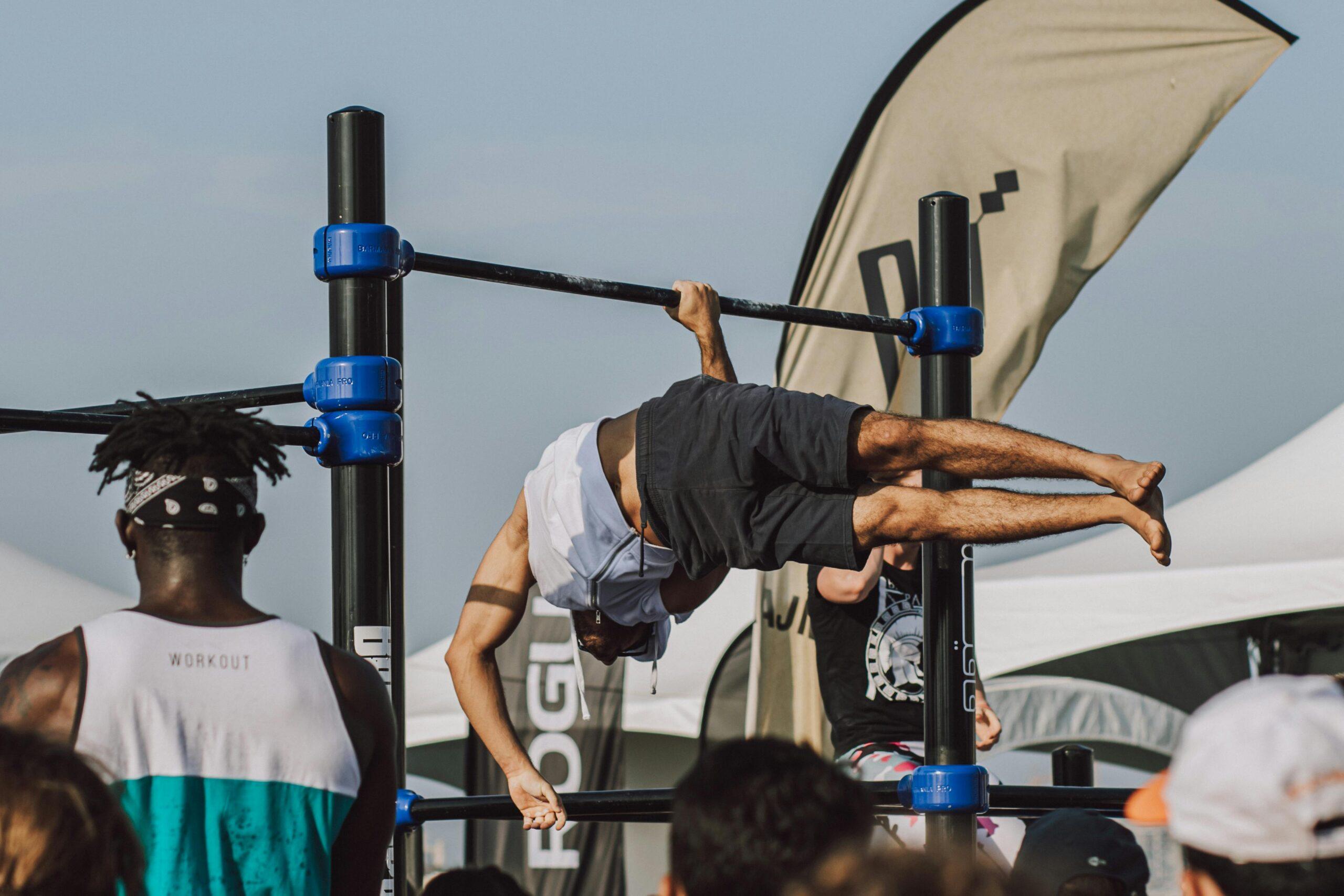
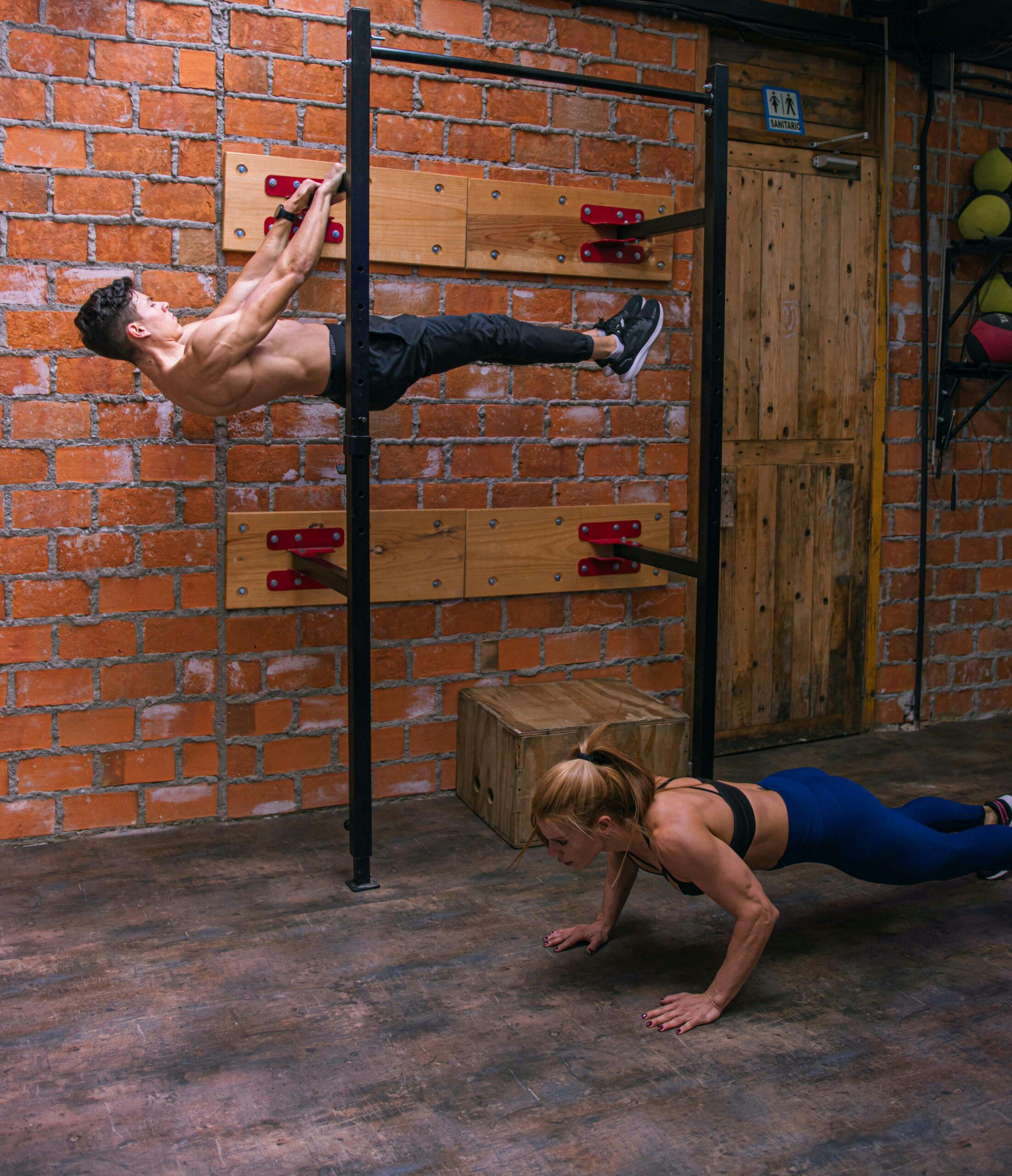
The character of calisthenics—movements like push-ups, squats, and especially complex movements like handstands and muscle-ups is not only muscle building, but the creation of proprioception. Proprioception is the body’s subconscious perception of its position and movement in space. Gymnastics demands a heightened sense of awareness.
Studies demonstrate that calisthenics are highly effective at establishing long-term lower extremity coordination, a critical factor that too often is neglected in traditional strength regimens (Özer et al.129).
Whole-body stimulation like this ensures that strength is holistic, not compartmentalized. In the elderly, that immediately translates to improved balance and gait stability, sharply reducing the risk of falls—the leading cause of morbidity and loss of function in old age.
B. My Personal Clue
My early training in floor gymnastics was not about hypertrophy of the muscles but more about building a deep rapport between the mind and the tiniest stabilizing muscles.
It taught me that real strength is not a booming one; it’s the art of being able to arrest and stabilize a movement without assistance. This mastery is the building block for functional resilience at any age.
The mental task of executing precise, bodyweight movement also facilitates a state of mindfulness and focus, which is an effective anti-stress and antidote to anxiety and thus results in general mental well-being (HC: FIT Ninja Training).
II. The Resilience Pillar: Resistance Training and The Fight Against Sarcopenia
A. The Physiological Mandate: Combating Sarcopenia
The body, as it grows older, undergoes a loss of muscle strength and muscle mass, a state referred to as sarcopenia. “Loss is a major predictor of morbidity, disability, and mortality among the elderly, according to Duchowny. “Idleness is the primary culprit for this condition, according to Monaldi Archives for Chest Disease.”
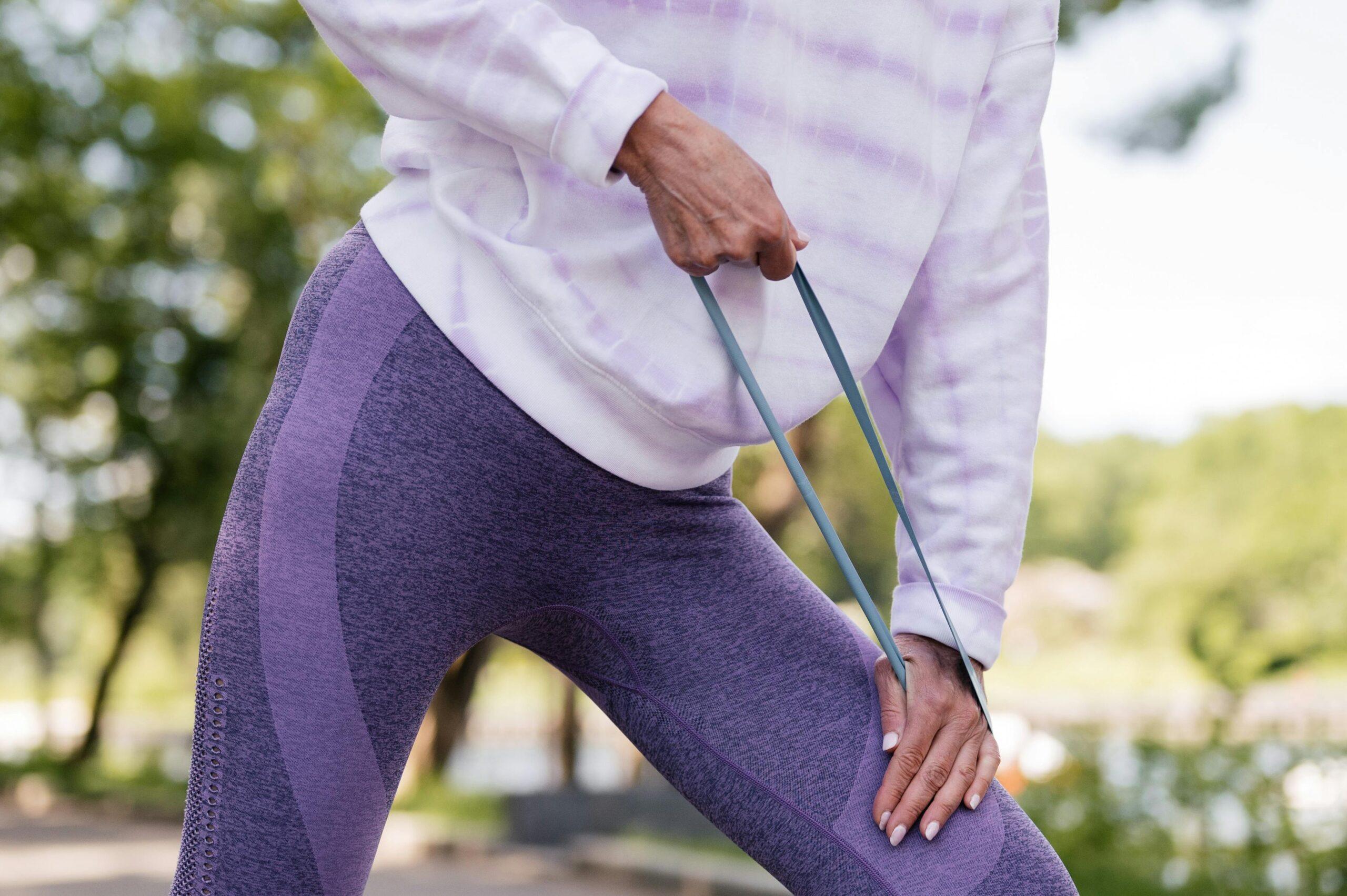
“Resistance training (RT) is the most evidence-supported therapy and prevention strategy for sarcopenia, according to the Annals of Geriatric Medicine and Research.” Regular, even with very light loads, weight lifting causes a cascade of physiological adjustments due to the mechanical stimulus.
“Increased Muscle Protein Synthesis: RT directly teaches muscles to grow and repair, reversing age-related atrophy, according to Phillips et al.”
Optimized Neuromuscular Metabolism: It ensures the health of the peripheral and central nervous systems innervating the muscle fibers.
Increased Bone Mineral Density: Stress to bones and tendons in lifting teaches bone tissue to be stronger, resisting osteoporosis directly.
B. My Personal Clue
My time playing professional basketball demanded explosive power, which transitioned perfectly into disciplined weightlifting. But the lesson was learned in the Special Forces training: endurance and resilience.
You cannot cheat the weight or the exhaustion. That process instills a durable mindset—a willingness to push past perceived limitations.
This mindset is the single most transferable skill to the rest of life’s challenges.
“The effectiveness of resistance training is highly correlated with the intensity and frequency of the regimen, according to the Annals of Geriatric Medicine and Research.”
The commitment to showing up and pushing the weight, even on days when motivation is low, is the practice of unbreakable discipline.
.
III. The Integration Pillar: Diet, Fasting, and The Crossover of Consistency
The mistake most people make is treating fitness (movement) and diet (nutrition) as separate entities. My experience has taught me there are two sides of the same discipline coin.
A. The Unified Discipline: Controlled Stress
The discipline required to push through the burning pain of a final set or endure the fatigue of a long patrol is the same mental capacity needed to successfully navigate a diet or fasting protocol.
Both are forms of controlled, self-imposed stress aimed at long-term biological benefit.
Intermittent Fasting (IF), for example, is not merely a weight loss tool; it is a metabolic discipline that requires high levels of self-control.
B. The Cellular Advantage: Autophagy and Metabolic Health
When you limit what you eat, like during intermittent fasting, your cells react strongly by doing something called autophagy, which means “self-eater.
” Autophagy is the body’s way of recycling. “It breaks down damaged parts of cells and faulty proteins, helping to repair and keep the cells healthy, according to Mattson and de Cabo.”
There is clear proof that intermittent fasting (IF) helps activate autophagy by reducing nutrient levels, “which in turn lowers the activity of the mTOR signaling pathway, according to Dahl et al.”
The good effects of this protein cleanup are important and include:
-
- “Improved Metabolic Health: Enhancing insulin sensitivity and glucose regulation, according to Mattson and de Cabo.”
- “Neuroprotection: Protecting against neuronal damage and supporting resilience in the central nervous system, according to Yuan et al.”
-
- Reduced Inflammation: Lowering systemic inflammation, a key driver of chronic, age-related diseases.
The mental strength needed to stick to a fasting schedule is the same as what you need to keep up with a tough workout routine.
When the boundaries between different fields are less clear, it leads to better long-term health.
IV. The Ultimate Asset: Mental Toughness and Consistency
Lastly, the long game’s goal is not just physical but also psychological. Combined, regular movement and control of diet produce an enduring, forceful, and assertive mind
A. Neurobiological and Psychological Rewards
“Regular, consistent exercise has profound, science-proven impacts on psychological well-being, far more than a simple ‘endorphin rush,’ according to HelpGuide.”
Decrease in Depression and Anxiety: Both resistance exercise and aerobic exercise, when done regularly, have been shown to cause large and sustained decreases in symptoms of depression and anxiety, “partly due to persistent neurobiological adaptations like enhanced availability of serotonin and greater hippocampal volume (Ma, Yuxin, et al.).”
Increased Self-Efficacy: “Conscientious following of a rigorous exercise and diet regimen brings the reader greater control, coping ability, and self-esteem, according to the Better Health Channel.” Every exercise completed, every nutritious meal chosen, is a triumph that reminds you that you have mastery over your life and your future.
B. My Personal Clue
My Special Forces job required me to function at maximum level in extreme stress. That experience reinforced in me my belief that the body will endure far more than the mind at first guesses it will.
I’m now 60 years old, and my daily training is no longer simply about physical conditioning; it is the everyday reaffirmation of that mental toughness.
I don’t try to train; I merely do it. It’s conditioned, not optional, and part of who I am. This transition from trying to being is the ultimate play in the long game.
Conclusion: Claiming Your Unbreakable Identity
Getting fit is not a matter of doing rapid exercises; it is a long-term commitment to gain a strong and unshakeable mind.
By incorporating body control from calisthenics, the benefits of resistance training, and healthy eating habits, you position yourself for physical and mental success.
The best asset you can have for lifelong health is the habits you build today. You have to make a choice every day to push yourself, be gentle with your body, and not let your age determine what you can and cannot do.
This habit will keep you physically fit and mentally resilient, allowing you to approach any challenge in life with freedom and confidence.
Your Long Game Challenge: Don’t try perfection. Instead, just do it regularly. Select one, and only one, exercise habit, like doing 15 minutes of calisthenics every day or doing three timed strength workouts per week.
Then match it with one, and only one, healthy eating habit. Do it for 60 days, and you’ll see how your physical fitness and mental toughness become a natural, formidable component of who you are.
The Foundational Habit: Don't Let Your Legs Betray You
Think back to when you were a baby. You didn’t try to stand up; you were compelled to. Falling wasn’t failure; it was just a step toward walking. As we get older, we forget that innate drive. We let our minds talk us out of moving.
Here is my most important piece of advice: Do not skip your leg workout.
It sounds simple, but your legs are your foundation. They are your independence.
Every single thing you do—getting out of a chair, carrying groceries, climbing stairs, walking a friend—relies on their strength.
The legs that carried you through your youth will be the first thing to compromise your freedom in old age.
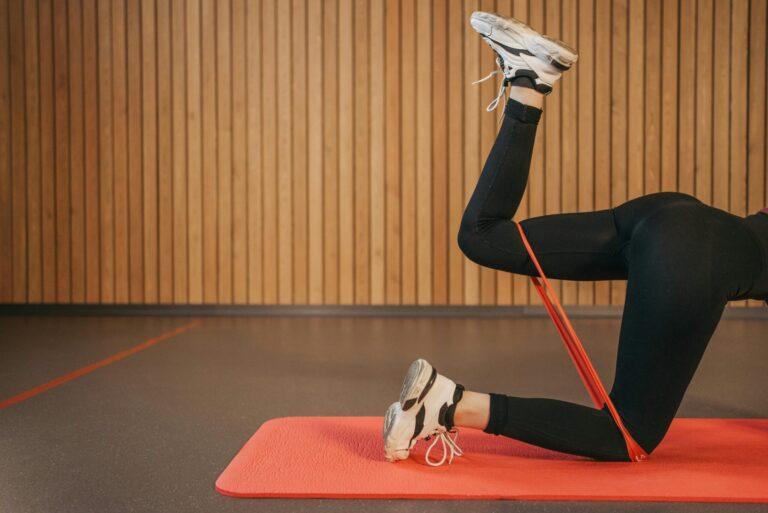
You don’t need to lift a car. You just need 20 minutes of daily commitment. Go for a brisk walk, ride a bike, take the stairs, or do a few sets of bodyweight squats.
This isn’t about looking good; it’s about reaffirming your mastery over gravity.
It’s about building a daily habit that says, “I am strong, capable, and independent.”
Commit to moving your legs daily, and you’ll find that the discipline required for everything else—diet, stress, and heavy lifting—falls right into place. Trust me and give it a shot.
References for further reading
Better Health Channel. “Exercise and Mental Health.” Better Health Channel, 2024, www.betterhealth.vic.gov.au/health/healthyliving/exercise-and-mental-health.
Dahl, Henrik A., et al. “Fasting Increases Human Skeletal Muscle Net Phenylalanine Release and This Is Associated with Decreased mTOR Signaling.” PLOS ONE, 11 July 2014, https://doi.org/10.1371/journal.pone.0101528.
Duchowny, Kate. “People with Low Muscle Strength More Likely to Die Prematurely.” University of Michigan School of Public Health News, 22 Aug. 2018, https://sph.umich.edu/news/2018/low-muscle-strength.html.
HC:FIT Ninja Training. “The Benefits of Calisthenics for Health.” HC:FIT Ninja Training, 2024, www.hcfit.com/ninja-training-benefits.
HelpGuide. “How Does Exercise Improve Mental Health?” HelpGuide, 2025, www.helpguide.org/articles/mental-health/exercise-and-depression.htm.
Mattson, Mark P., and Rafael de Cabo. “Effects of Intermittent Fasting on Health, Aging, and Disease.” The New England Journal of Medicine, vol. 381, no. 26, 2019, pp. 2541–2551, doi:10.1056/NEJMra1905136.
Monaldi Archives for Chest Disease. “Resistance Training and Sarcopenia.” Monaldi Archives for Chest Disease, vol. 84, no. 1, 2015.
Özer, Kamil, et al. “Effects of Calisthenics and Pilates Exercises on Coordination and Proprioception in Adult Women: A Randomized Controlled Trial.” Journal of Back and Musculoskeletal Rehabilitation, vol. 25, no. 2, 2012, pp. 129–135.
Phillips, Stuart M., et al. “Skeletal Muscle and Resistance Exercise Training: The Role of Protein Synthesis in Recovery and Remodeling.” PubMed Central, Apr. 2017, https://www.ncbi.nlm.nih.gov/pmc/articles/PMC5371609/.
Yuan, Wei, et al. “Autophagy Induction Contributes to the Neuroprotective Impact of Intermittent Fasting on the Acutely Injured Spinal Cord.” Journal of Neurotrauma, vol. 38, no. 2, 2021, pp. 195–204.
Ma, Yuxin, et al. “The Long-Term Mental Health Benefits of Exercise Training for Physical Education Students: A Comprehensive Review of Neurobiological, Psychological, and Social Effects.” Frontiers in Psychiatry, vol. 16, 2025, article 1678367, https://doi.org/10.3389/fpsyt.2025.1678367.
Disclaimer: The information shared here is based on personal experience and publicly available research and is intended for educational purposes only. It should not replace advice from a qualified healthcare professional. Please consult a certified nutritionist, physician, or other licensed expert before making dietary, exercise, or fasting-related changes, especially if you have existing health conditions. The habits discussed are examples, not prescriptions, and readers are encouraged to review the referenced sources and make informed decisions for their own health. My habits are a guide, not a rule.