
Gut Health Through Simple Foods:
Authentic Daily Practices for Wellness
Introduction
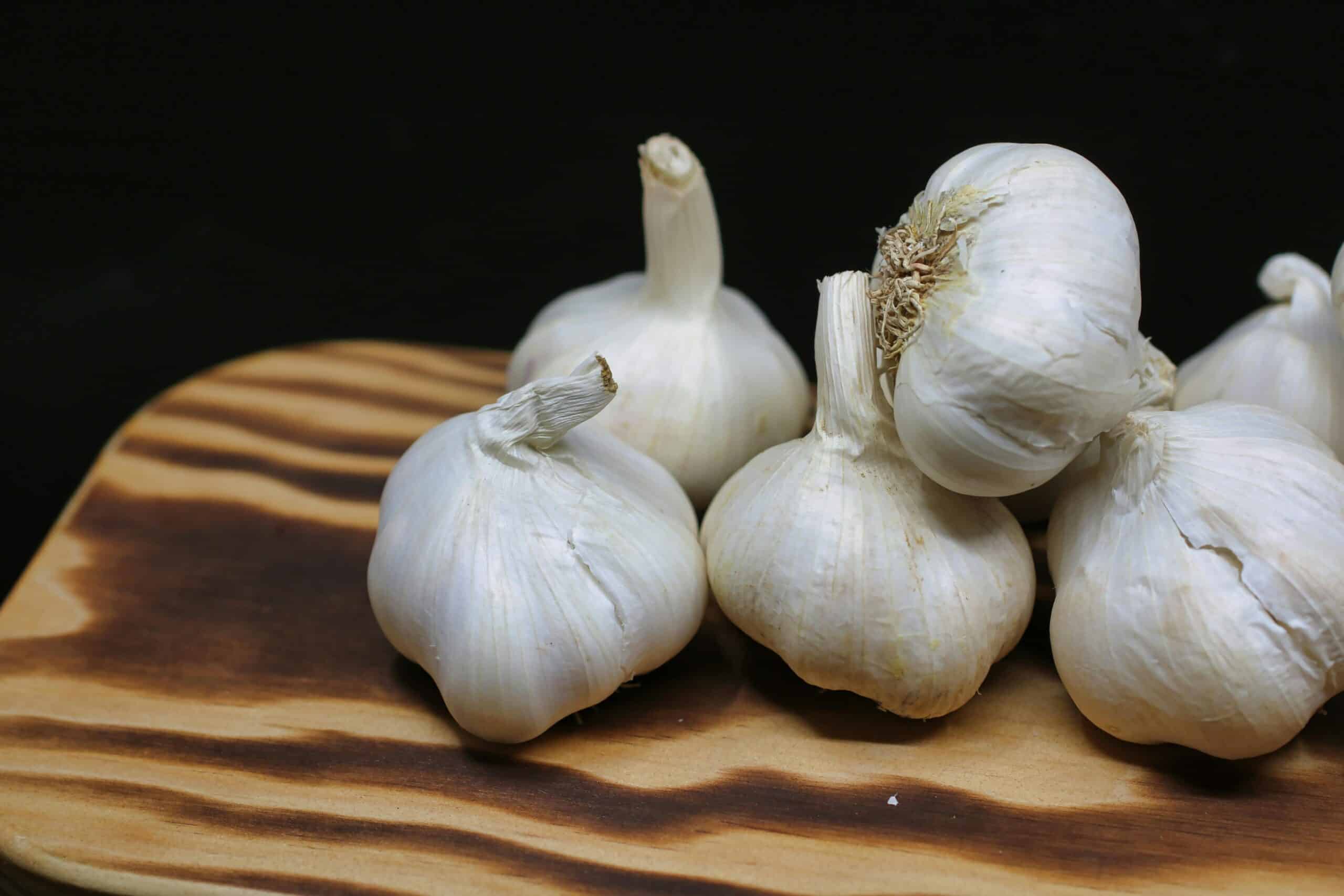
Gut health diets today often emphasize capsules, powders, and complicated systems. However, basic, everyday foods—when tolerated by your system—can support digestion, metabolism, and overall well-being. Here, I share my personal experience with powerful gut health nutrients such as garlic, onion, and chili from the raw foods diet, tempered by experience and evidence from scientific research.
Garlic — Active Compound: Allicin
Historical Background
Garlic has one of the longest histories among cultivated plants, traced back to Central Asia. It has been used for thousands of years across multiple ancient civilizations:
- Egypt: Garlic was widely consumed and provided to laborers building the pyramids, believed to support endurance.
- China: Garlic has been part of the diet since at least 2000 BC and used medicinally since around 2700 BC.
- Babylon: Garlic was also incorporated into daily life over millennia.
Evidence & Practical Use
Evidence source: NCCIH (National Center for Complementary & Integrative Health)
- Garlic may reduce total cholesterol and LDL in people with elevated cholesterol.
- Generally safe in food amounts; high-dose supplements may interact with medications or affect blood clotting.
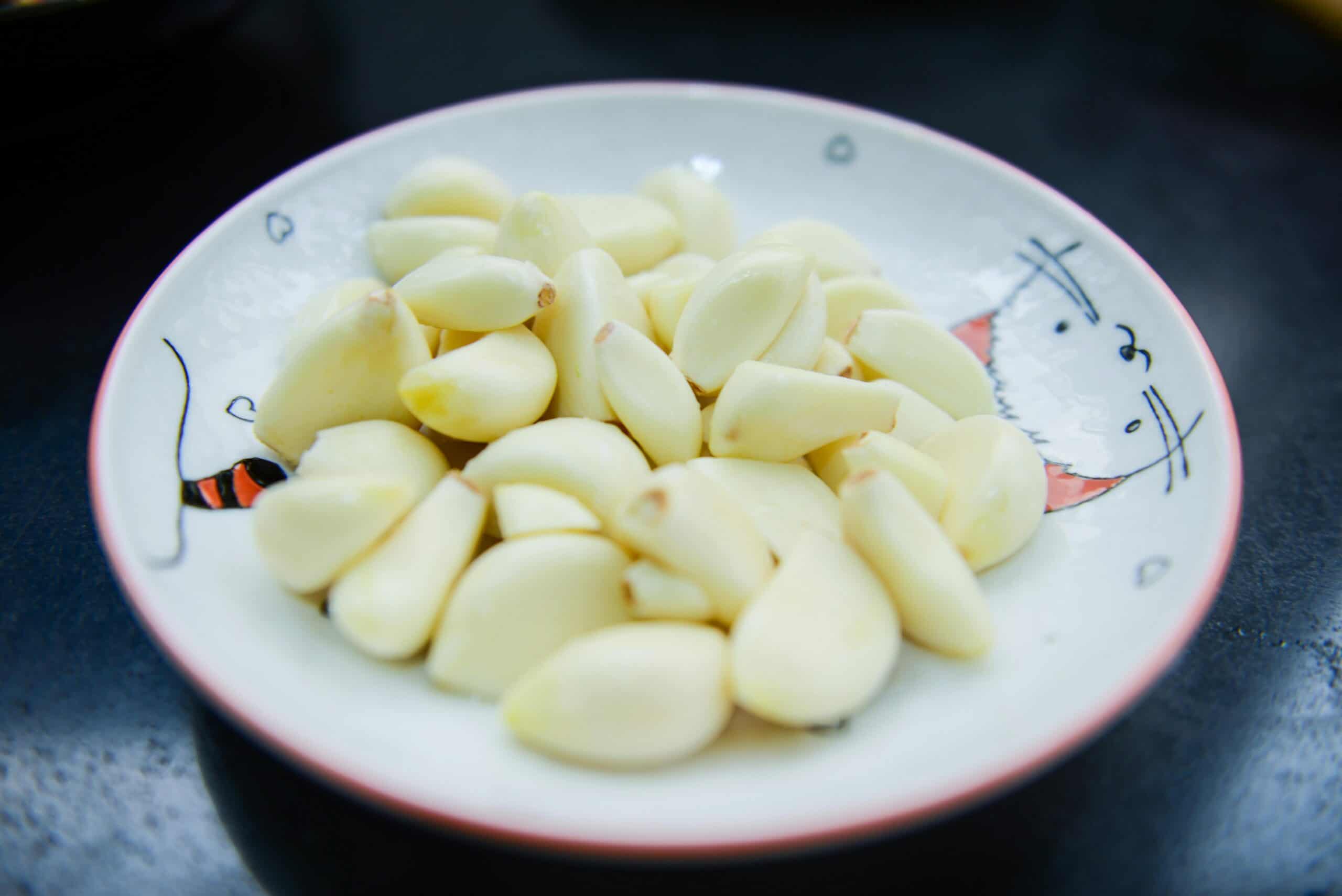
Practical tip (raw intake): Eat raw garlic. If breath is strong, neutralize it with a little cinnamon + yogurt or milk, or with cinnamon-flavored gum.
Steaming/Gentle Heat Option:
- Light steaming (30–60 seconds) or briefly tossing in a hot salad reduces pungency while preserving some antioxidant activity.
- Avoid frying or prolonged high heat; allicin degrades above ~140°C (284°F).
- Combine lightly cooked garlic with yogurt or cucumber in salads to reduce bite without losing all benefits.
Garlic: Basic Nutrient Contribution for the Overall Gut Health.
Garlic contains several essential nutrients, including manganese, vitamin B6, vitamin C, selenium, and small amounts of dietary fiber.
These micronutrients support general wellness, metabolic function, and immune health. While some studies explore additional effects of garlic, findings are inconsistent and depend heavily on preparation methods.
For nutritional purposes, garlic can be viewed as a natural source of these vitamins and minerals, with broader health claims remaining uncertain until more consistent research is available.
Onions (Raw)—Prebiotics, Antioxidants & More Evidence
Historical Background
The onion has been cultivated for thousands of years, likely originating in Central Asia, though some studies also suggest Iran and West Pakistan.
Evidence shows wild onions were consumed over 5,000 years ago, and onions were among the first plants cultivated by humans, with records from Egypt dating back to around 3500 BCE.
- Ancient cultivation: Onions have been part of agriculture for millennia.
- Symbolism: In ancient Egypt, concentric circles of the onion symbolized eternal life and were sometimes placed in tombs with the deceased.
- Geographic origin: Central Asia is considered the primary origin, with some evidence pointing to Iran and West Pakistan.
Evidence & Practical Use
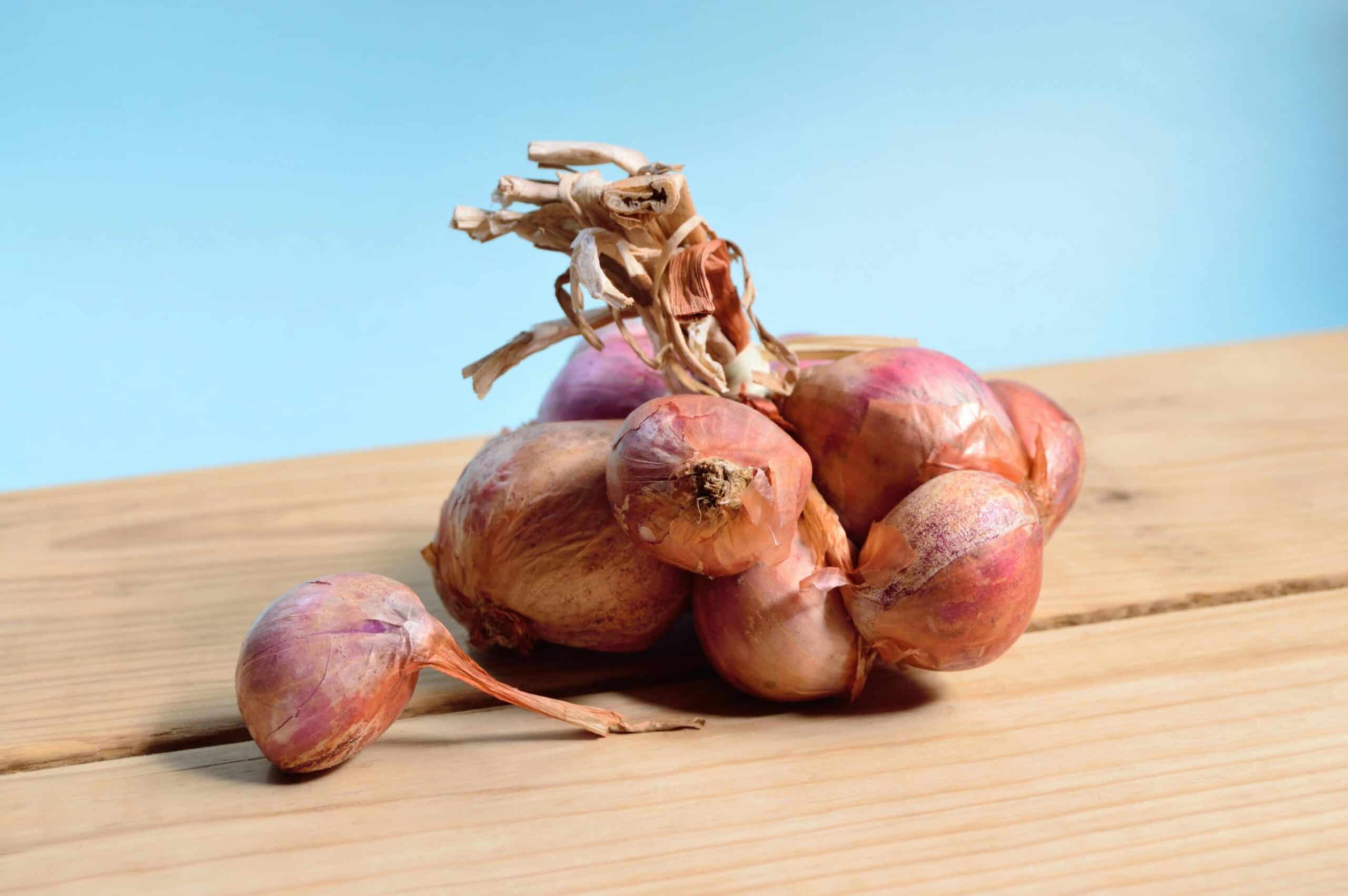
- Onions (Allium cepa) contain flavonoids, polyphenols, and sulfur compounds, showing antioxidant, anti-inflammatory, and metabolic benefits.
- Clinical trials suggest onion peel extracts may contribute to anti-obesity effects and help modulate features of metabolic syndrome (lipids, blood pressure, glucose).
Practical tip (raw intake): Eat raw onions with meals if tolerated; they help digestion and add fiber.
Steaming / Gentle Heat Option:
- Steam or blanch for 1–2 minutes to reduce sharpness and bitterness.
- Retains mild prebiotic fibers; flavor becomes sweeter and more palatable for sensitive digestion.
- Steamed onions can be added to salads, dips, or roasted vegetables for a milder taste while supporting gut health.
Onion: Basic Nutrient Contribution for the Overall Gut Health
A medium onion provides modest amounts of vitamin C, potassium, fiber, and small amount of protein and carbohydrates.
While vitamin C content is not high, it contributes to immune function and supports iron absorption as part of a balanced diet.
Research on antioxidant and anti-inflammatory effects varies depending on onion type, preparation method, and study design.
For practical purposes, onions are a simple, everyday food that adds small nutritional benefits, with broader health effects remaining uncertain until further research is available.
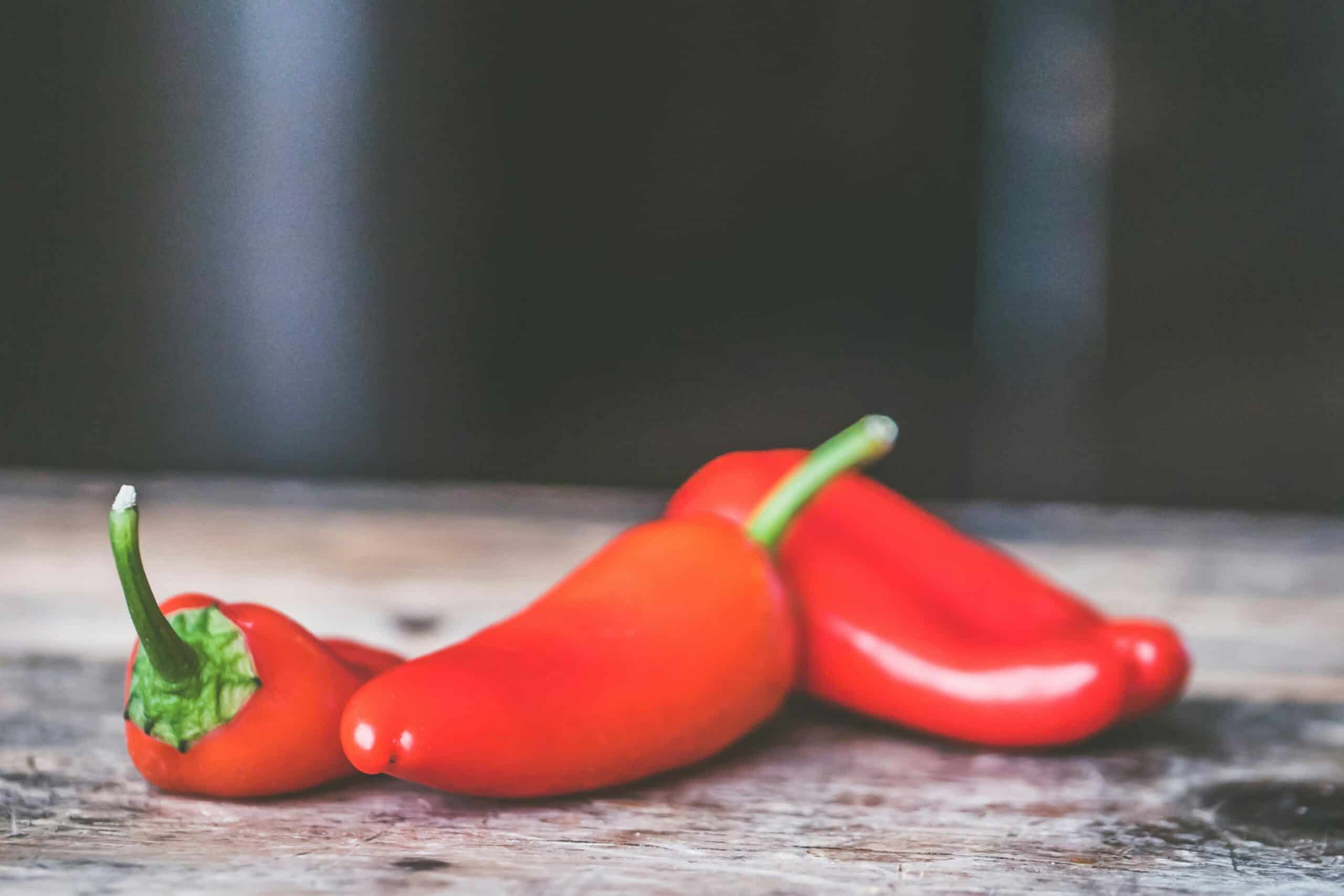
Hot Chili Peppers (Raw)—Capsaicin & Emerging Evidence
Historical Background
Hot chili peppers originated in Central and South America, with domestication beginning in Mexico, likely in the Tehuacán Valley.
European explorers, notably Christopher Columbus, encountered them in the late 15th century and introduced them to Europe.
Portuguese traders then spread chili peppers to Asia, Africa, and other regions, where they became key ingredients in many cuisines.
Evidence & Practical Use
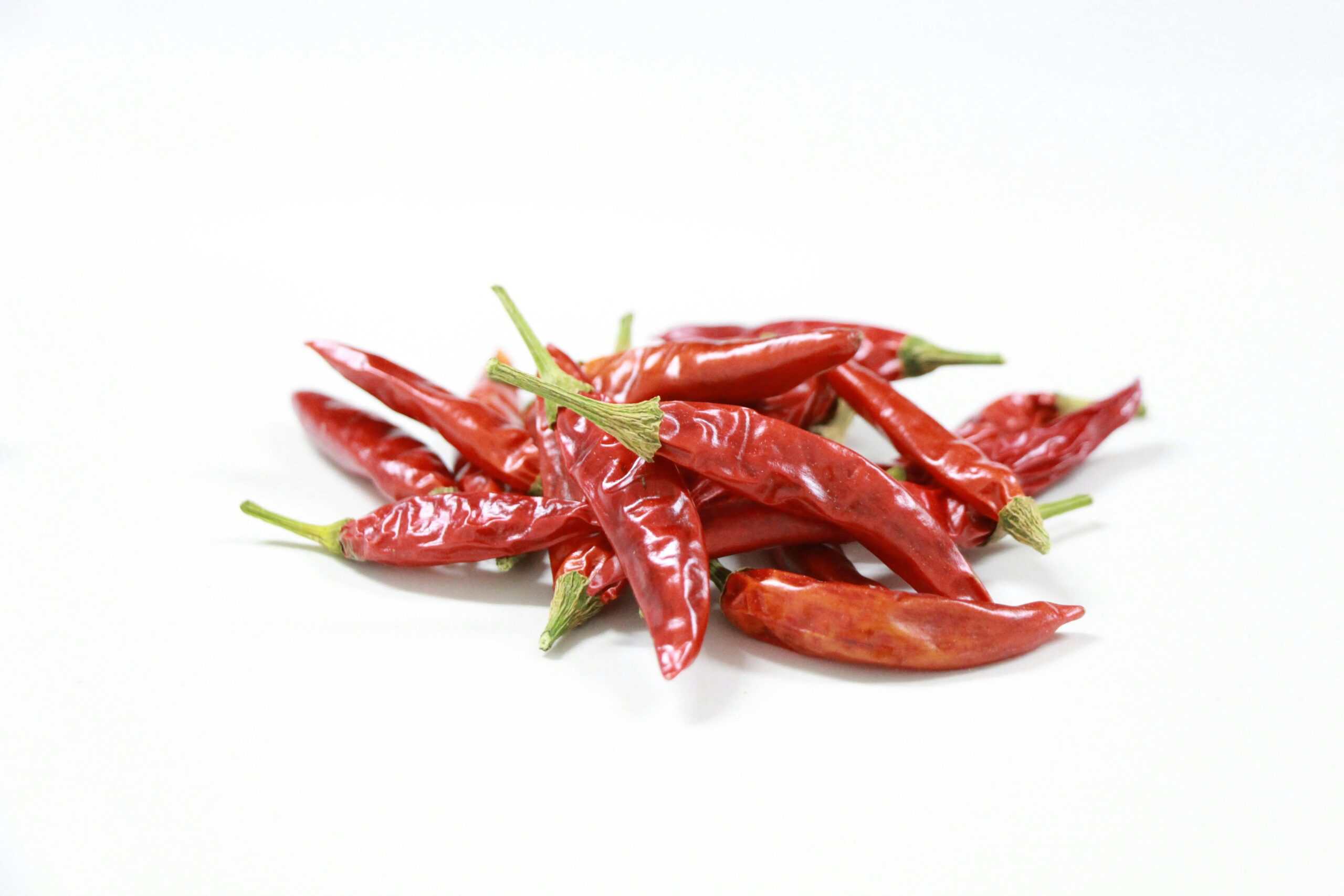
- Capsaicin may support gut health, metabolic homeostasis, and circulation.
- Observational studies suggest possible reduced mortality in regular chili consumers, though causation is not proven.
Practical tip (raw intake): Consume small amounts. Dairy (milk, yogurt, or white cheese) can neutralize burning on the tongue.
Steaming/Gentle Heat Option:
- Light steaming or brief placement in hot water reduces extreme burning while keeping some capsaicin benefits.
- Combine with yogurt or cucumber to balance intensity in dips or salads.
Hot Chili Peppers: Basic Nutrient Contribution for the Overall Gut Health
Hot chili peppers contain concentrated amounts of vitamin C, vitamin B6, vitamin A, vitamin K1, potassium, and copper.
Because they are typically consumed in small quantities, their overall contribution to daily nutrient intake is modest.
Research on capsaicin’s health effects varies depending on dosage, preparation, and individual tolerance.
Chili peppers can be viewed as a flavorful addition that provides small amounts of essential nutrients, with broader health claims remaining uncertain until more consistent research is available.
Personal Experience & Individual Tolerance
Raw-food intake is personal.
Garlic, onion, and chili—consumed raw or lightly steamed—support digestion, energy, and general well-being in my routine.
Everyone should adjust amounts based on tolerance and lifestyle.
Daily Routine (How I Practice It)
Food | Typical Serving (for me) | Notes / Adjustment |
Raw garlic | 3 cloves daily | Use cinnamon + yogurt or milk to neutralize breath; steaming reduces pungency |
Raw onion | A few slices, included in meals | Steam 1–2 min to soften sharpness if needed |
Raw chili peppers | 1 small pepper daily | Use dairy or gentle heat to reduce burn |
Base diet | Balanced vegetables, fiber, hydration, sleep, and activity | Raw foods are part of a broader healthy lifestyle |
Summary of Evidence & Gut Health Takeaways
Regular inclusion of raw (or lightly steamed) garlic, onions, and chili peppers can support digestion, nutrient absorption, and overall gut function.
Combined with a balanced diet, fiber-rich vegetables, and hydration, these foods provide a simple, natural approach to gut health.
Personal tolerance varies, so start small, observe your body’s response, and adjust accordingly.
- Onions: strong evidence for antioxidant, anti-inflammatory, and metabolic support.
- Chili (capsaicin): promising evidence for metabolic and gut benefits; effects vary depending on dose and individual tolerance.
- Garlic: supported by NCCIH evidence for cardiovascular and general health; raw vs. supplement intake differs in studies.
Nutrient table
Garlic (raw) | 3 cloves (9 g) | Manganese, Vitamin B6, Vitamin C, Selenium, Fiber | Provides small amounts of micronutrients; supports general wellness |
Onion (raw) | 1 medium (110 g) | Vitamin C, Potassium, Fiber, Protein, Carbs | Modest contribution; aids iron absorption and digestion |
Hot Chili Peppers (raw) | 1 small pepper (15 g) | Vitamin C, Vitamin B6, Vitamin A, Vitamin K1, Potassium, Copper | Concentrated nutrients, but typically consumed in small amounts, contribute flavor and micronutrients |
Notes for readers:
- Serving sizes reflect typical raw intake.
- Nutrient amounts are approximate; actual values vary by variety and preparation.
- These foods support nutrient intake as part of a balanced diet; broader health effects remain uncertain until more consistent research is available.
Famous Mediterranean Salad Recipe: Tzatziki
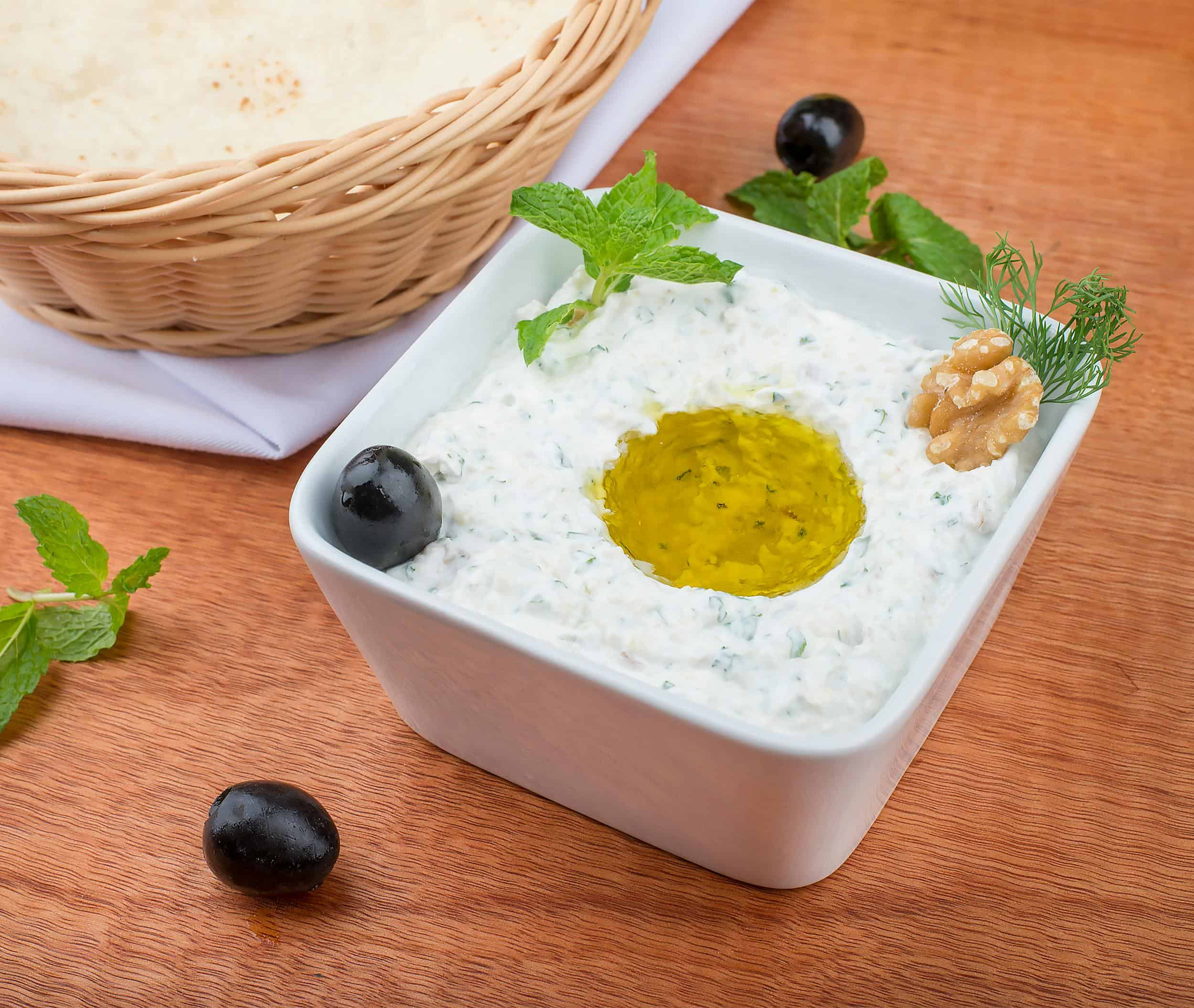
Ingredients:
- 1 cup Greek yogurt
- 1–2 cloves raw garlic, finely grated or crushed (or lightly steamed if preferred)
- 1 medium cucumber, peeled and grated
- 1–2 tsp olive oil
- 1 tsp vinegar
- Salt to taste
- Optional: fresh dill or mint
Instructions:
- Grate the cucumber and squeeze out excess water.
- Mix yogurt, garlic, cucumber, olive oil, vinegar, and salt.
- Add herbs if desired.
- Adjust taste: more garlic for stronger flavor; more yogurt or cucumber for milder taste.
- Optionally, lightly steam garlic or onion to reduce intensity for sensitive eaters.

References
NCCIH—Garlic
PubMed 33645419—Anti-inflammatory and antioxidant effects of Allium cepa (onion)
PubMed 37576046 — Anti-obesity effects of onion
PMC7894628 — Onion and metabolic syndrome
ScienceDirect—Capsaicin and gastrointestinal health & disease
MDPI 2072—Capsaicin and cardio-metabolic effects
Disclaimer: The information shared here is based on personal experience and publicly available research and is intended for educational purposes only. It should not replace advice from a qualified healthcare professional. Please consult a certified nutritionist, physician, or other licensed expert before making dietary, exercise, or fasting-related changes, especially if you have existing health conditions. The habits discussed are examples, not prescriptions, and readers are encouraged to review the referenced sources and make informed decisions for their own health. My habits are a guide, not a rule.
Written by Nikos Liakos